
Xiaoque-Custom Designed Carbon Aramid Hybrid Fabrics with a Unique Appearance
- Customizable carbon fiber-to-aramid ratios
- Configurable hybrid weave structures
- Balances distinctiveness with visual consistency
- Precise control over not just areal weight, but full specifications
- Traceability from sample to repeat purchase
Products by Color
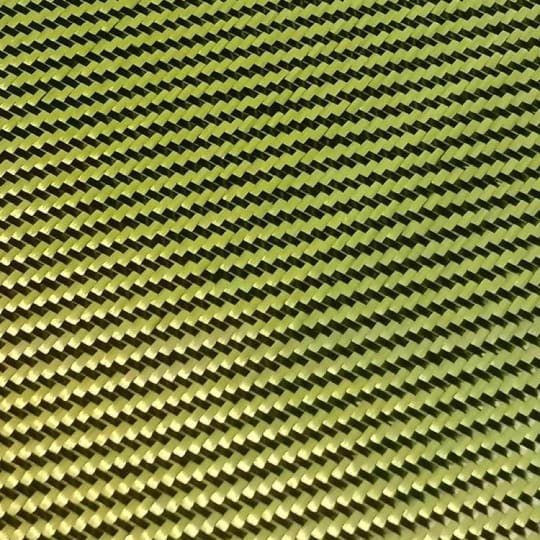
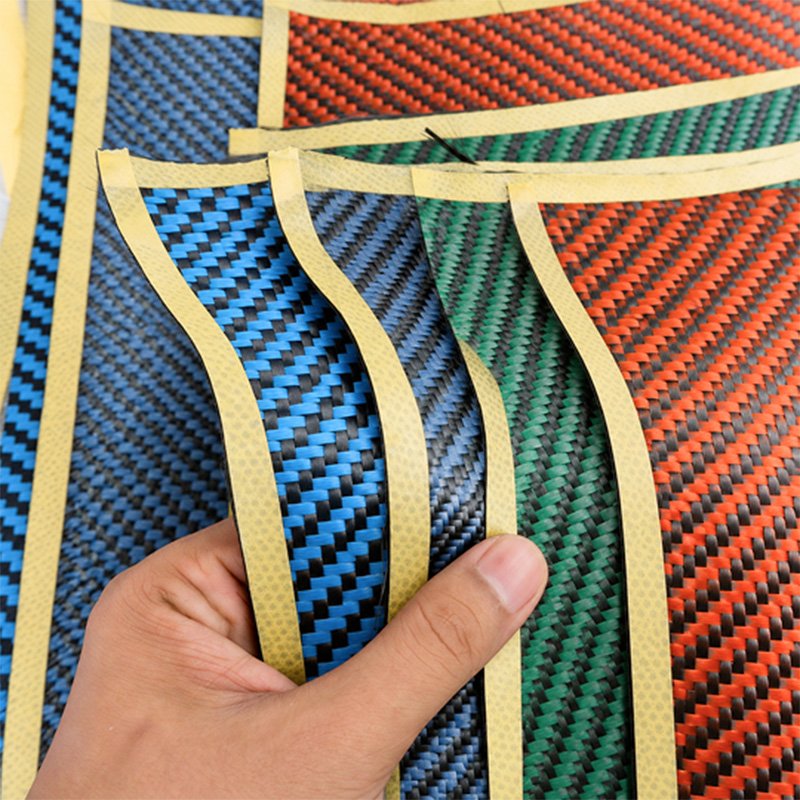
Classic black-and-yellow pattern, suitable for a distinctive, high-tech look on composite components.
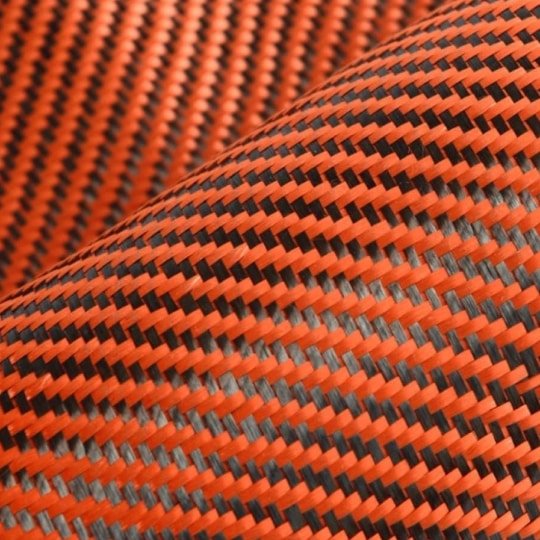
Interwoven black and red fiber bundles, solution-dyed; a composite material ideal for highlighting brand characteristics.
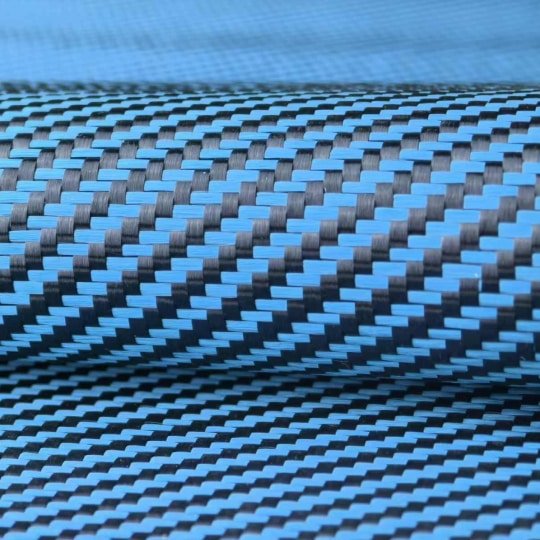
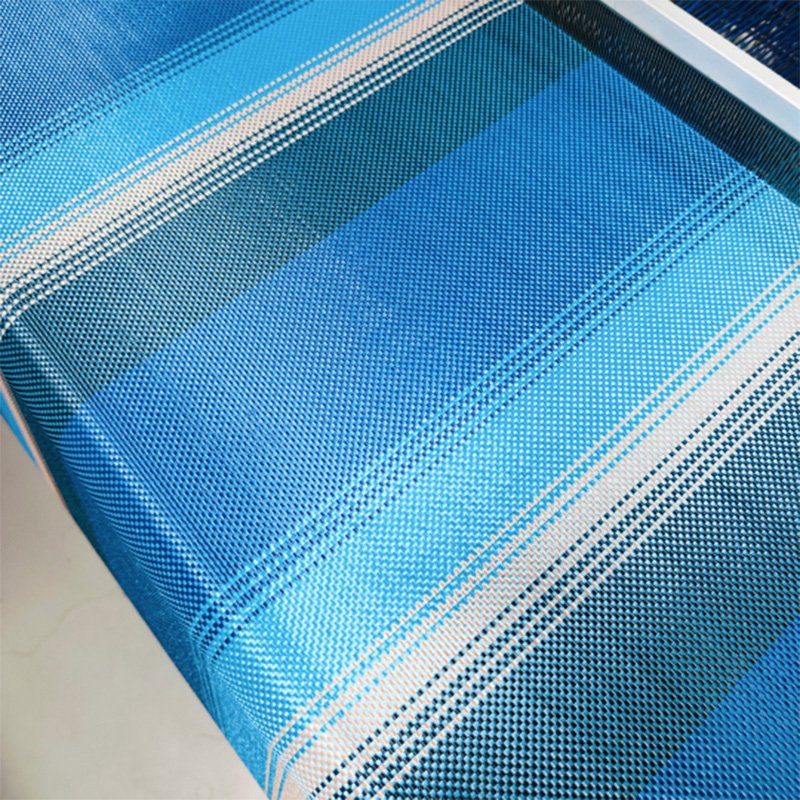
Features a cool-toned woven texture with a hybrid reinforcement structure, suitable for developing the aesthetic layers and housings of composite materials.
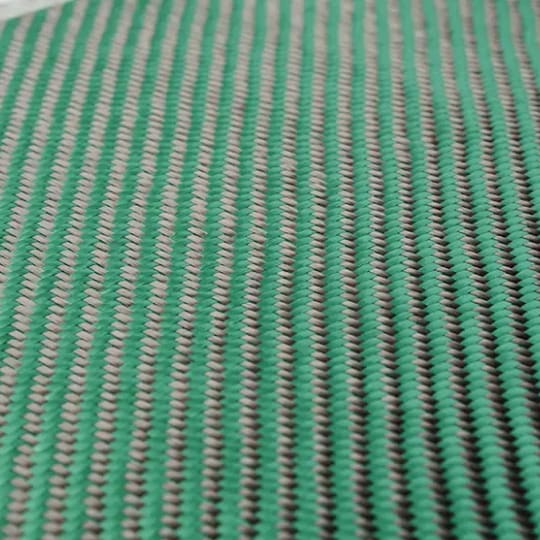
The weave pattern of the orange-and-black yarn is easily discernible, making it simple to inspect the fiber orientation in the molded material.
Products by Weave
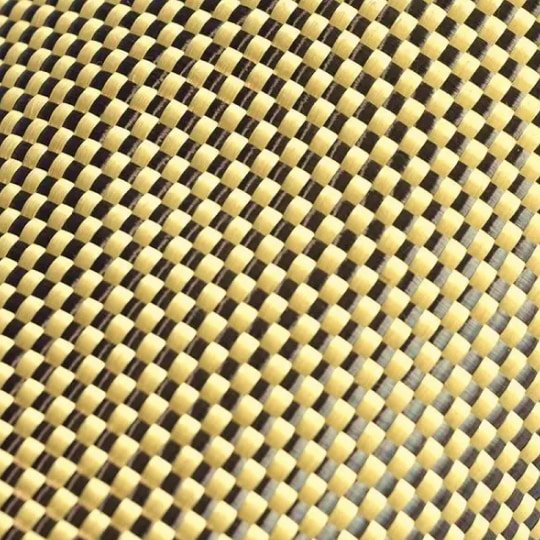
It features a high density of warp-weft interlacing points and a regular, symmetrical pattern, making it resistant to deformation during cutting and laying.
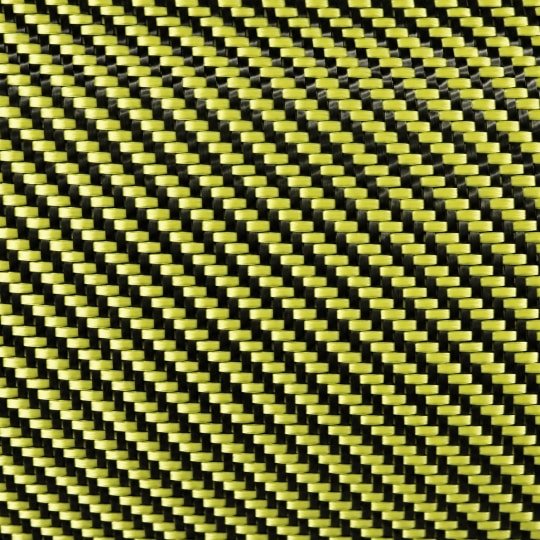
Features a distinct diagonal texture and offers superior flexibility and conformability, making it suitable for components with curved surfaces and complex contours.
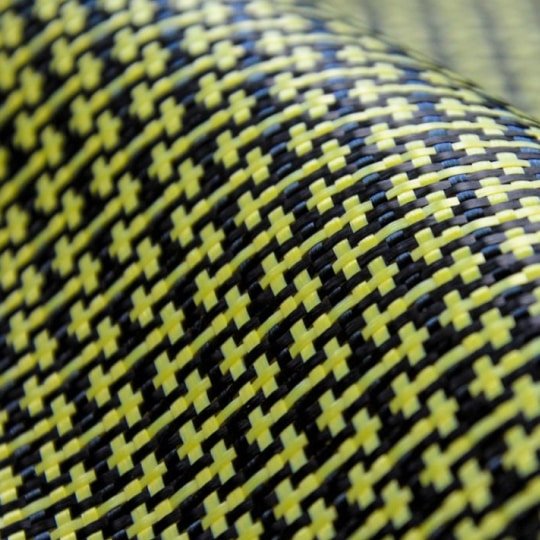
Type I pattern carbon fiber offers superior visual appeal and mechanical properties, making it suitable for decorative composite structural panels.
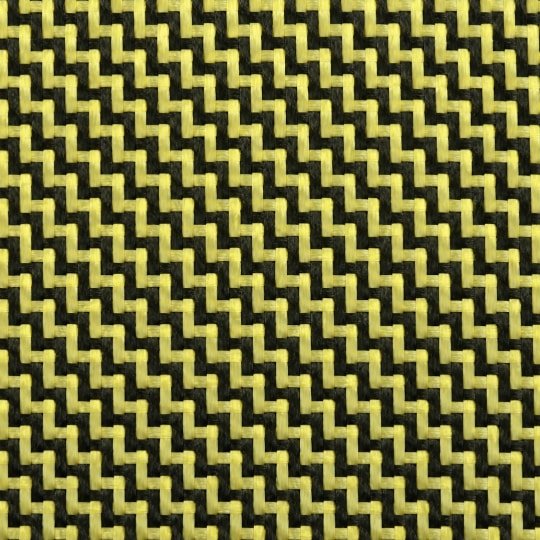
The W-pattern features a 3×1 twill weave with excellent drape, making it suitable for enhancing the strength and rigidity of laminates.
Features of Carbon Aramid Hybrid Fabric

Select the blending ratio of carbon fiber and aramid fiber based on the design.

Two types of low-density fibers provide the material foundation for lightweight designs.

Potential for introducing impact energy absorption in composite material development

Select fabric parameters based on the ply and material plan.

Matching directional reinforcement requirements through warp and weft fiber distribution.

The interlacing of black carbon fiber and colored aramid gives the fabric a distinctive, recognizable look.

A dense weave helps reduce yarn displacement during fabric handling.

The twill structure facilitates the fabric’s conformity to curved contours.
Mass Production Capacity
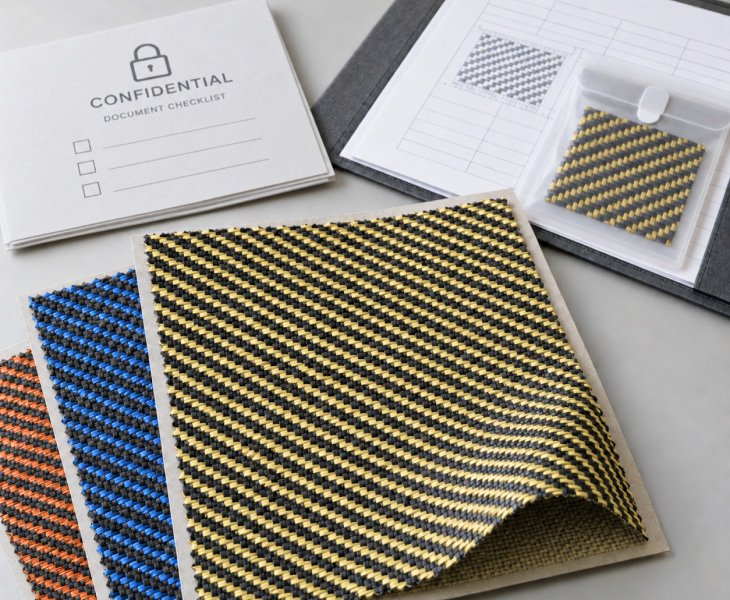
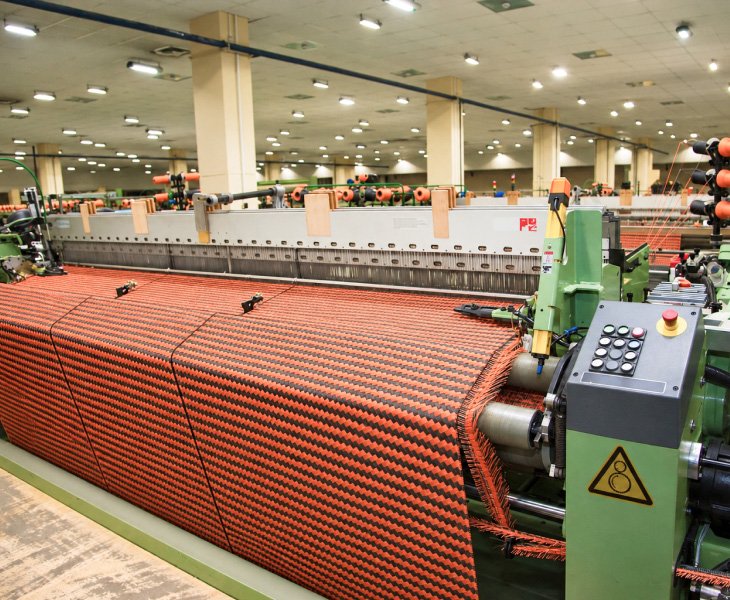
We develop bespoke carbon-aramid hybrid fabrics tailored to your specific fiber ratios, warp and weft yarn arrangements, and brand color schemes. By linking approved samples with technical specifications and establishing clear terms regarding the use of development data, sample imagery, and brand information—combined with strict confidentiality requirements and exclusive supply arrangements—we safeguard your brand’s unique differentiation.
Procurement Risk Resolution
When sourcing carbon fiber-aramid hybrid fabrics from China, clearly define the material composition and acceptance criteria for each roll in advance. Before placing an order, verify the specifications of the colored yarns, fiber mass ratios, structural tolerances, and visual appearance requirements for the dry fabric; subsequently, mitigate the risks of non-conforming deliveries and inconsistencies in repeat orders by utilizing confirmation samples, roll records linked to specific batches, and agreed-upon change management procedures.
XIAOQUE — Carbon Aramid Hybrid Fabric Manufacturer,From yarn selection to weaving, every detail is fully traceable.
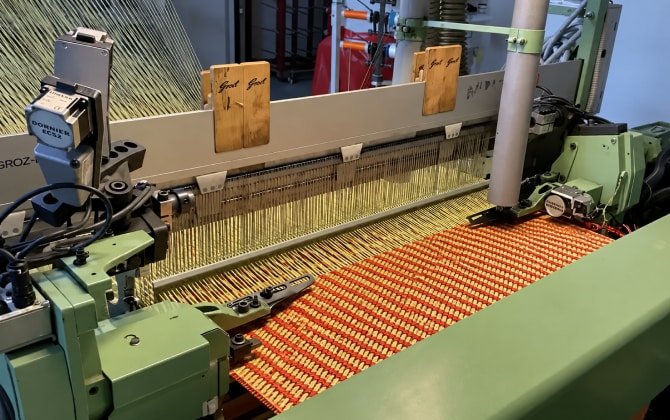
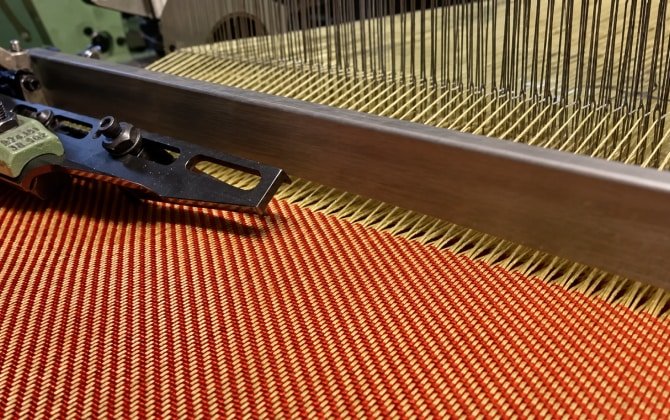
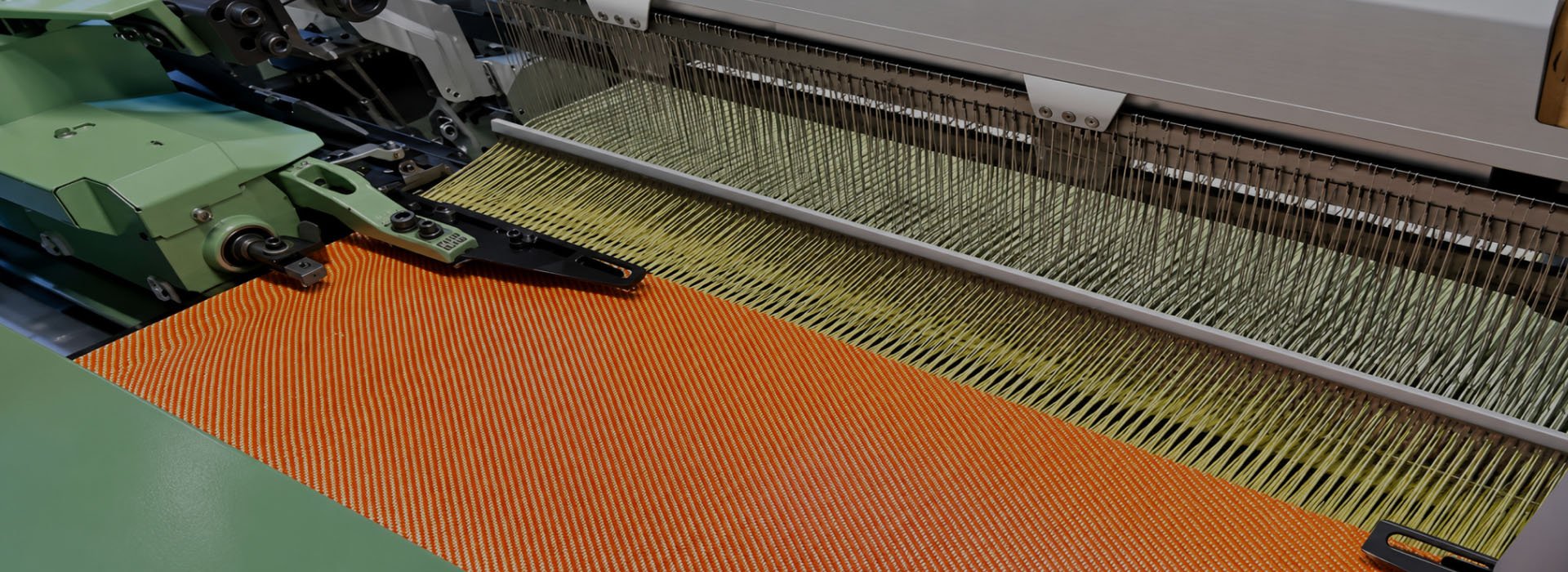
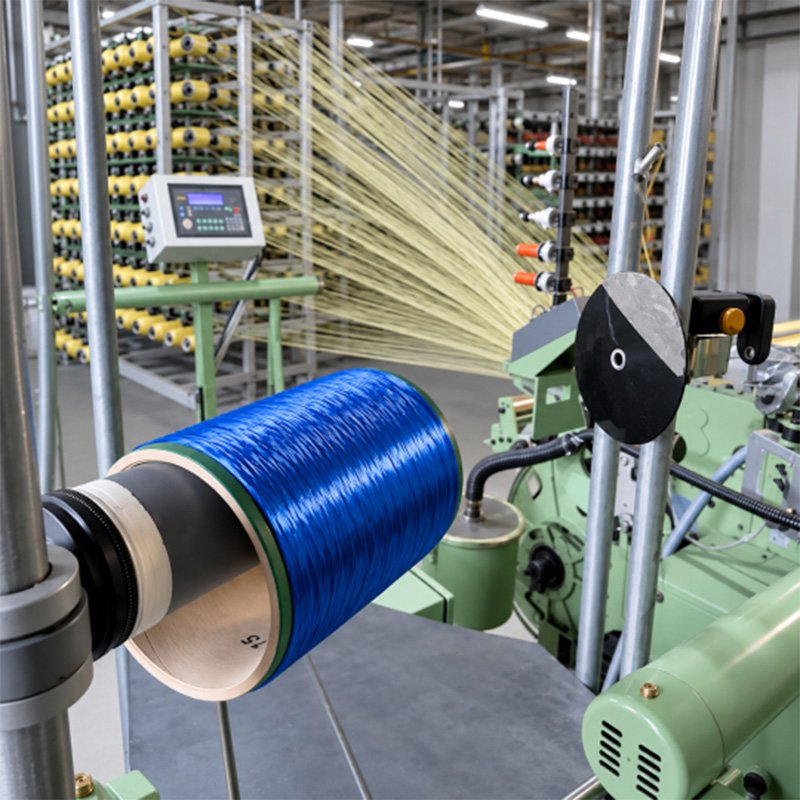
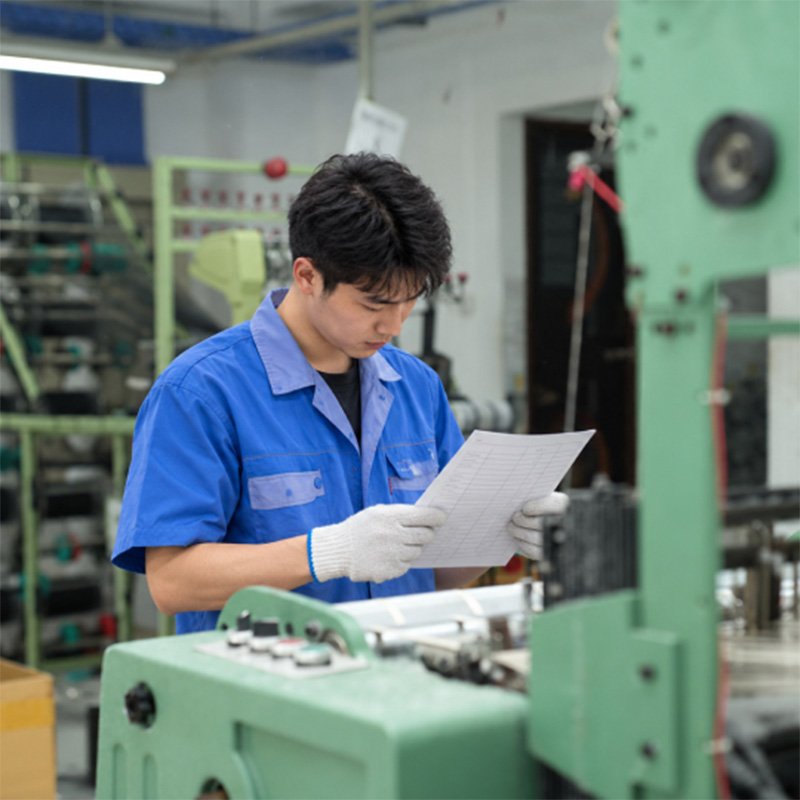
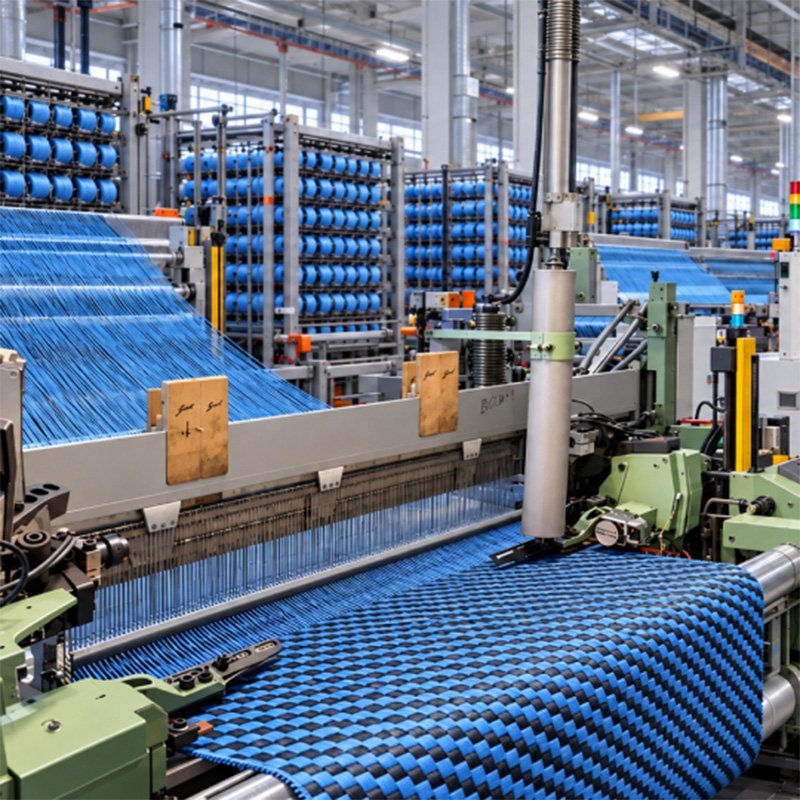
The production of your carbon aramid hybrid cloth begins with confirming specifications such as carbon fiber tow type, aramid yarn density, and the warp-and-weft arrangement. During manufacturing, Xiaoque configures the weft insertion sequence and adjusts yarn tension and guidance paths based on the selected raw yarns, densities, thickness, and pattern/color specifications; these measures minimize carbon fiber filament breakage and aramid fuzzing. The sample you approve and the recorded production settings serve as the reference basis for future orders.
Material selection based on application
Please let us know about the products you manufacture and your specific requirements regarding fabric appearance, handling characteristics, weight, and so on; based on our existing product range, we will recommend the carbon fiber-aramid hybrid fabric best suited to your project.
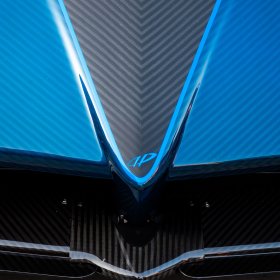
Typical products: body panels, motorcycle fairings, wheel arch liners, underbody shields, and visible interior components.
Fabric:Twill and plain weave carbon fiber/aramid hybrid fabrics; for visible cosmetic parts, options include yellow, red, blue, or orange colorways.
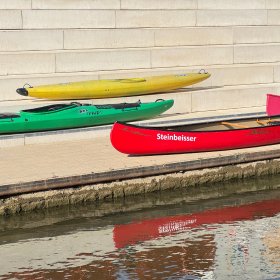
Typical products: canoe and kayak hulls, decks, paddle blades, cockpit coamings, and hatch covers.
Fabric:Yellow plain or twill weave carbon fiber/aramid hybrid fabric
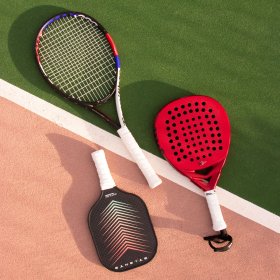
Typical products: reinforcement layers for skis, racket reinforcement components, bicycle saddle shells, and sports equipment housings.
Fabric:Plain-weave carbon fiber/aramid hybrid fabric, twill-weave carbon fiber/aramid hybrid fabric
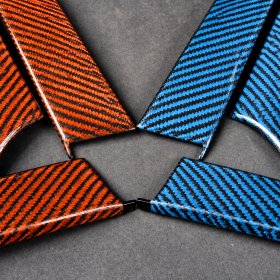
Typical products: automotive aftermarket accessories, sports equipment housings, and custom panels.
Fabric:Customizable carbon fiber and aramid hybrid fabric series available in yellow, red, blue, orange, and other colors
Specification
- Product Parameters
| Type | Yarn | Weave | Fiber count(10mm) | Width (mm) | Thickness (mm) | Weight (g/m²) | ||
| Warp | Weft | Warp | Weft | |||||
| H1K-CAP100 | 1K | 400D | Plain | 9 | 9 | 100-300 | 0.11 | 100 |
| H3K-CAP200 | 3K | 1500D | Plain | 5 | 5 | 100-300 | 0.27 | 200 |
| H3K-CAT200 | 3K | 1500D | Twill | 5 | 5 | 100-300 | 0.27 | 200 |
| H3K-CAP200(blue, red, orange) | 3K | 1500D | Plain | 5 | 5 | 100-300 | 0.27 | 200 |
| H3K-CAT200(blue, red, orange) | 3K | 1500D | Twill | 5 | 5 | 100-300 | 0.27 | 200 |
Testimonials
When sourcing 3K carbon aramid hybrid fabric for our kayak hulls, our primary concern was ensuring that the mass-produced rolls would remain consistent with the approved samples. We were particularly impressed by the quality of the delivered material—specifically the flatness of the weave and the clean edges—as well as the strict adherence to the agreed-upon packaging specifications; these factors have been highly beneficial to our actual production process.

 Emily CarterPurchasing Manager
When selecting the bluecarbon carbon aramid hybrid fabric for the reinforcement layer of our skis, we placed great importance on the color and the visual texture of the material. After receiving and reviewing the initial samples, we successfully manufactured a final product that met our expectations. What we appreciated most about working with Xiaoque was the representative’s meticulous attention to detail regarding fiber composition, weave patterns, and fabric weight during the sampling process, which ensured an excellent procurement experience.
 Sophie LaurentMarine & Paddlesports Equipment Manufacturer
Our custom carbon aramid hybrid fabric required a specific layout—carbon-dominant in the warp (0°) and aramid-dominant in the weft (90°)—along with a distinct dual-color pattern; therefore, we wanted to clarify every detail before production began. Xiaoque gathered our requirements and meticulously confirmed specifications such as the fabric structure, yarn width, and weave pattern. Upon inspecting the finished samples, we found that the product’s warp-carbon/weft-aramid configuration perfectly met our project’s needs. We particularly appreciated their proactive communication and responsiveness throughout the collaboration.
 Ethan CooperComposite Materials Distributor
You should select reinforcement materials based on the performance requirements of the product. Carbon fiber fabrics are typically chosen when stiffness and the classic carbon fiber aesthetic are the primary considerations, whereas aramid fabrics are suitable for applications requiring toughness and abrasion resistance.
Carbon-aramid hybrid fabrics combine both fiber types within a single weave structure, while glass fiber fabrics are often selected when cost or electrical insulation properties are the priority.
You should evaluate hybrid fabrics based on five key factors: fiber configuration, weave pattern, nominal areal weight, effective width, and surface requirements. Color must be considered in conjunction with the weave and fiber arrangement rather than serving as the sole selection criterion. You also need to clarify the current stage of your project—whether it involves initial material selection, sample validation, bulk procurement, or repeat purchasing.
You may choose a plain weave when a tighter, relatively stable weave structure is required—such as for structural reinforcement panels in race car bodies—or a twill weave when a distinct diagonal appearance and greater flexibility are preferred—such as for decorative body panels; the final choice should be confirmed through samples.
Not necessarily. Kevlar is a brand name for aramid fiber, whereas “aramid” refers to the broader category of materials. The term “Carbon Kevlar Fabric” should only be used if the aramid yarn supplied is confirmed to be genuine Kevlar-brand fiber; otherwise, “Carbon Aramid Hybrid Fabric” is the more accurate term.
We cannot classify this fabric as an explosion-proof or bulletproof material based solely on its fiber composition. Explosion-proof performance depends on the complete material system, the structure, and validation testing conducted in accordance with applicable standards. We provide specifications for the specific fabric; you may purchase samples for testing to determine whether our product meets your requirements for high-impact performance.
Related Products
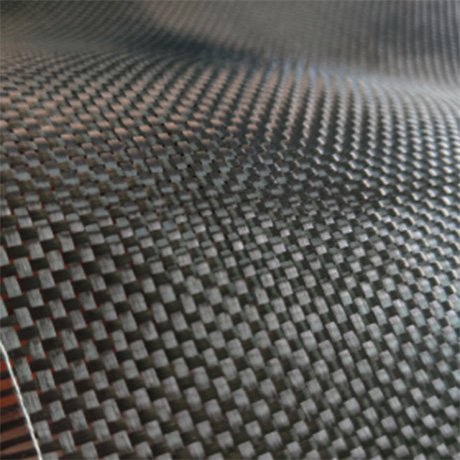
 3k 200gsm 2x2 Twill Carbon Fiber Fabric
Centered on coating and stability, suitable for curved surfaces, exterior components, and general composite parts.
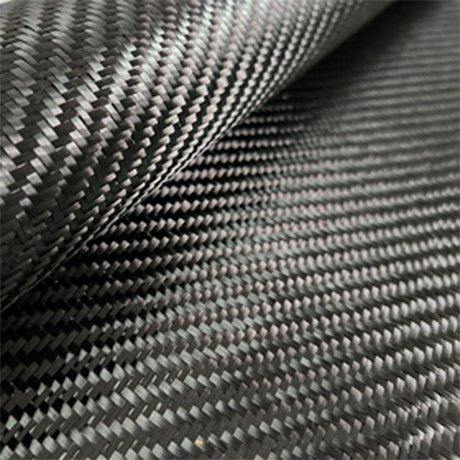 Bidirectional Carbon Fiber Fabric
The 0° and 90° fibers interweave with each other, providing a balanced structural reinforcement effect.
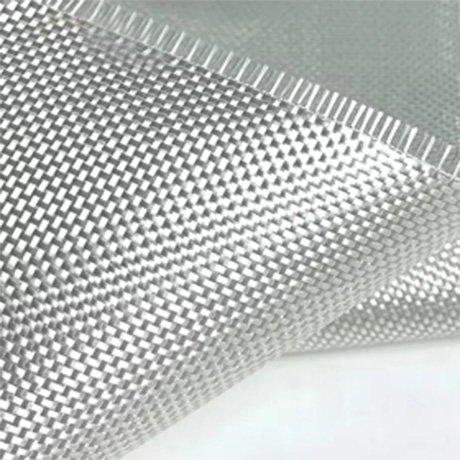 Fiberglass Cloth
Good electrical insulation, dimensional stability, and relatively good heat resistance.
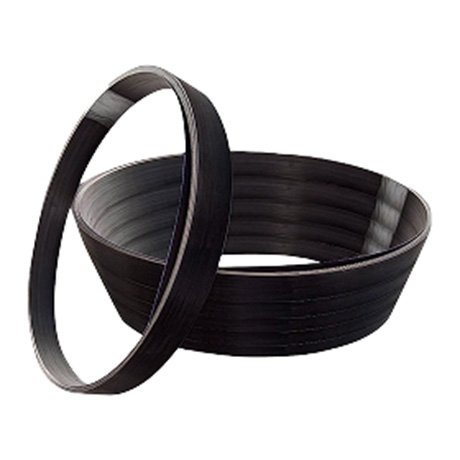 Carbon Fiber Sheet
Characterized by being lightweight yet strong, as well as having high rigidity and low thermal expansion.