
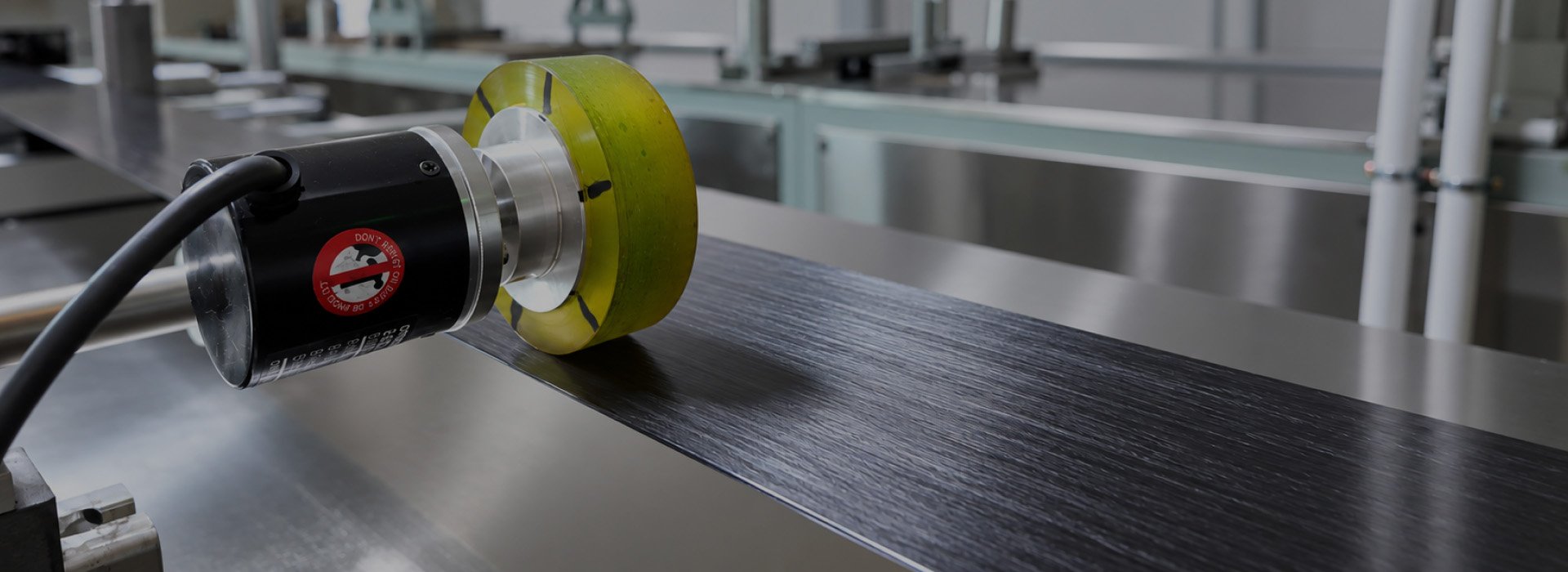
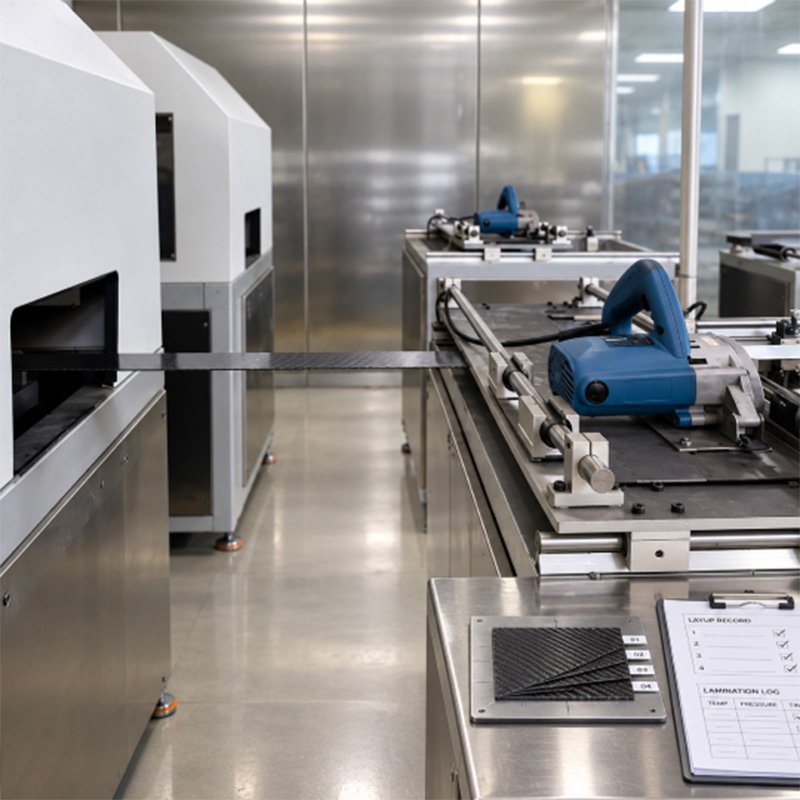

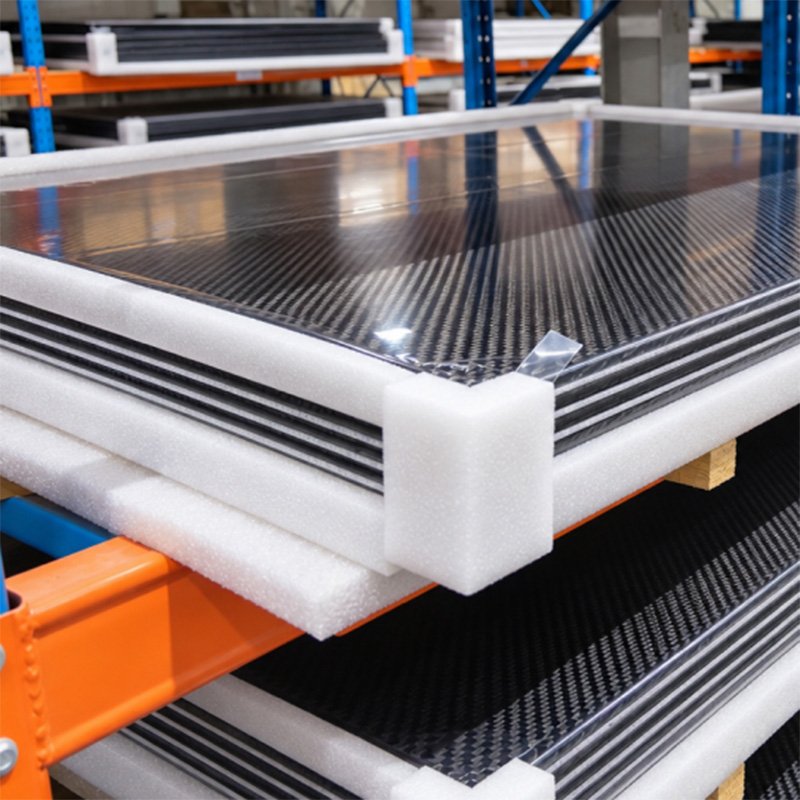
XIAOQUE-A Manufacturer Producing High-Quality Carbon Fiber Sheets to Strict Parameter Standards.
- Clearly defined reinforcement material composition
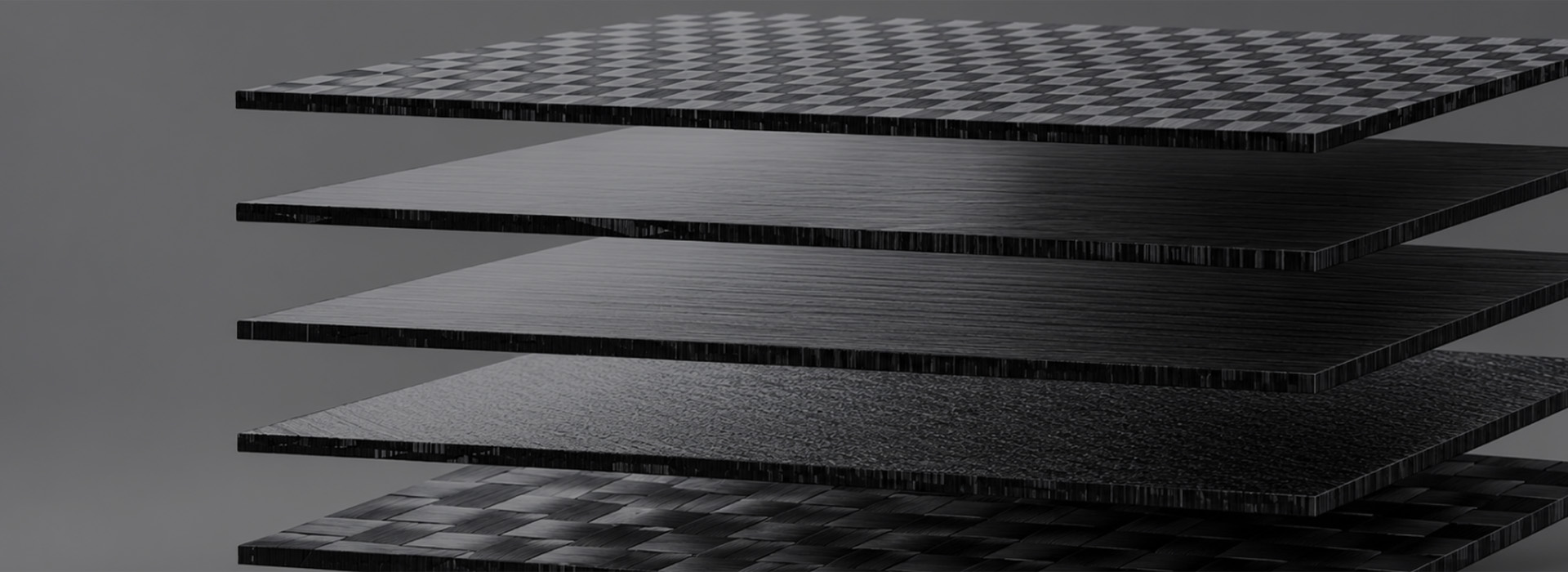
- Controlled layup sequence and lamination process
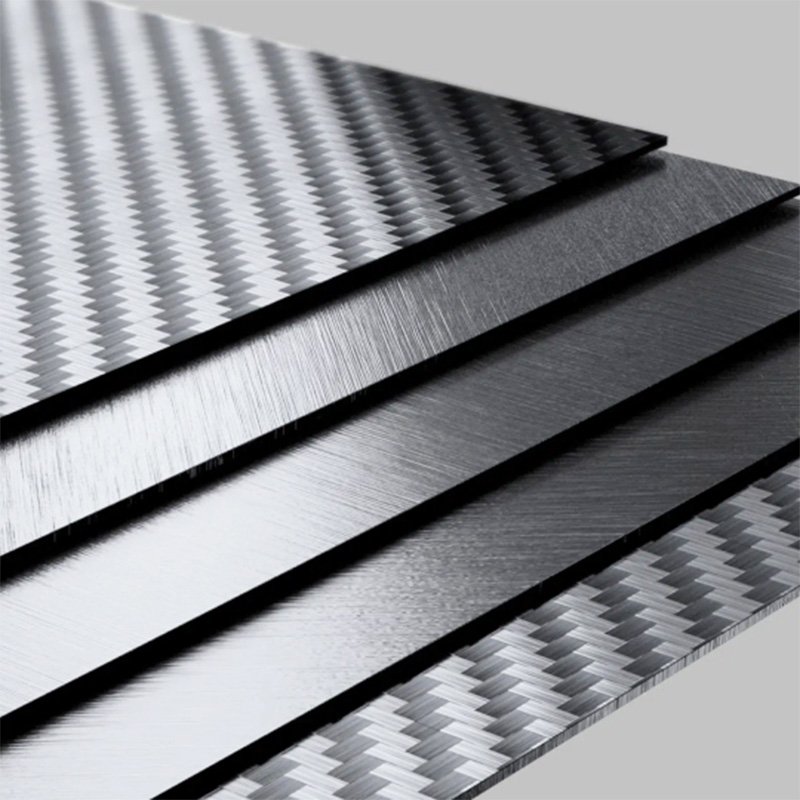
- Inspection of weave pattern, gloss, and appearance
- Archiving of specifications for repeat orders
- Protective packaging for panel surfaces and edges
Popular Product Options
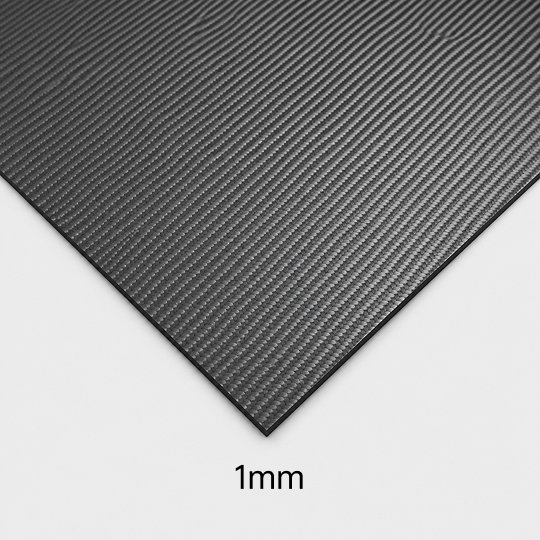
Thin carbon fiber laminates—lightweight and featuring a slim profile—are suitable for thin decorative facings.
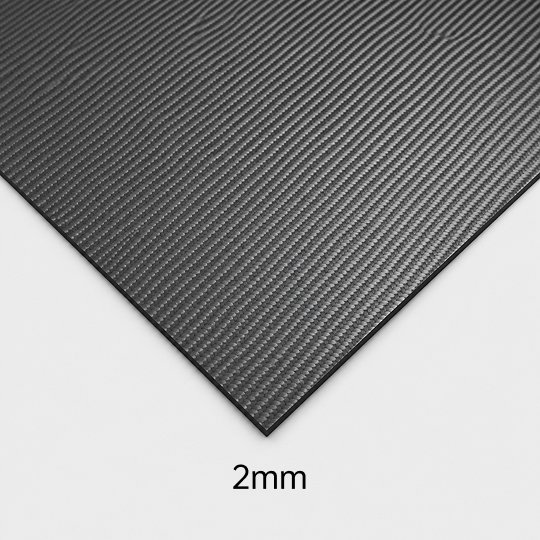
A sheet material blank that balances compact thickness with panel rigidity, suitable for use as cover plates or flat components.
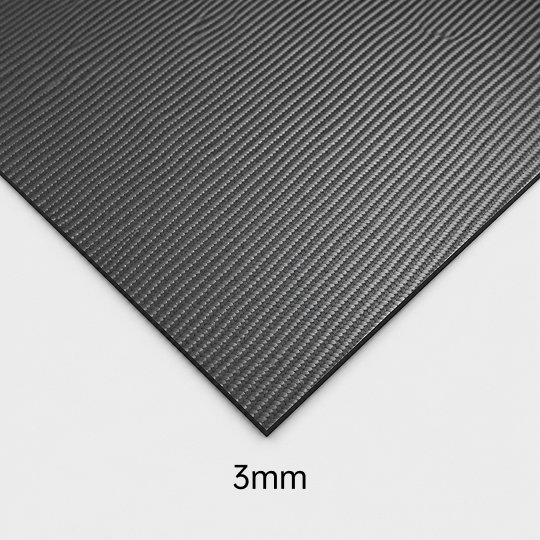
A moderate thickness balances a compact cross-section with flexural rigidity, facilitating the fabrication of planar components.
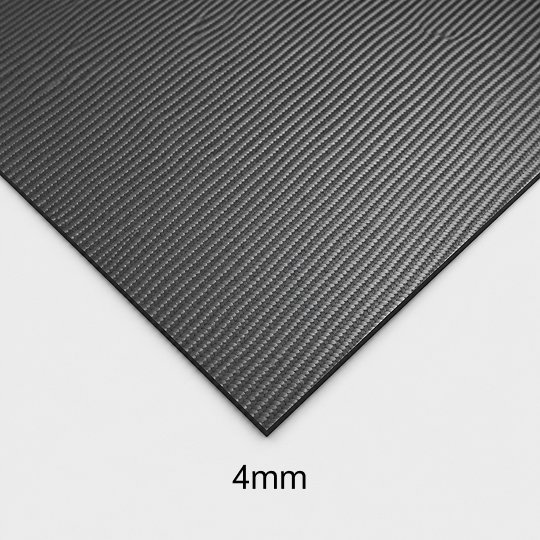
Thicker laminated sections help reduce bending deformation and provide greater rigidity for panels and component blanks.
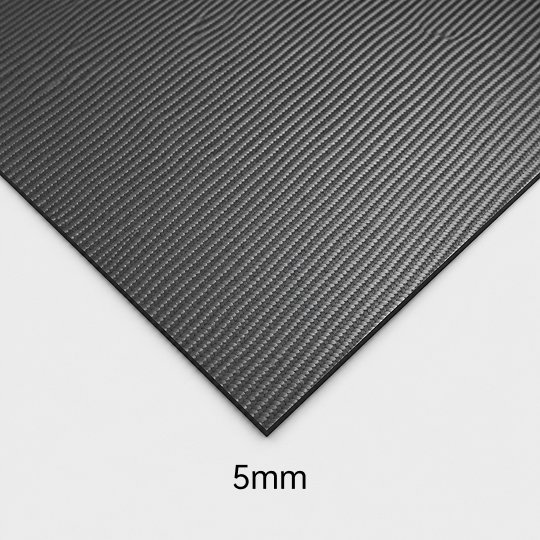
With a substantial cross-section, distinct edge thickness, and the rigidity of carbon fiber, this panel is ideal for projects specifically requiring thick component profiles.
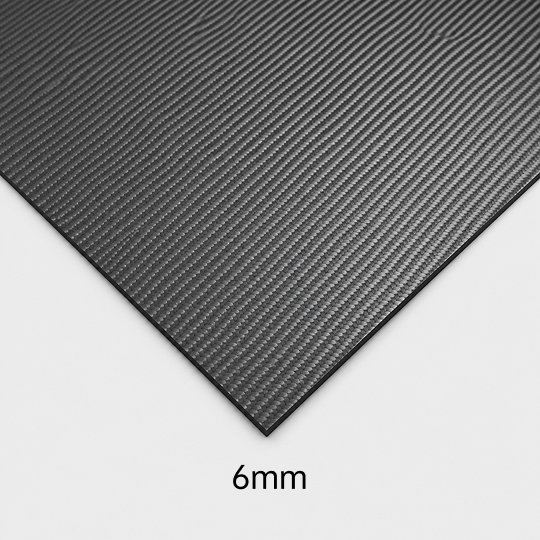
Thick laminates designed for high flexural rigidity feature greater cross-sectional thickness and increased weight.
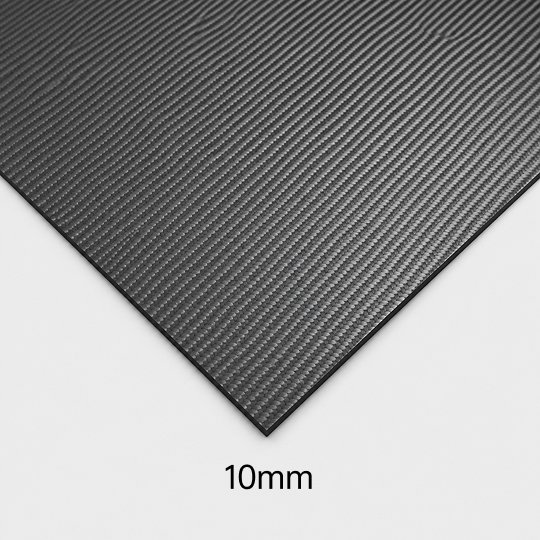
Thick-section carbon fiber plates, characterized by distinct edge thickness, provide laminate blanks for components requiring deep, solid cross-sections.
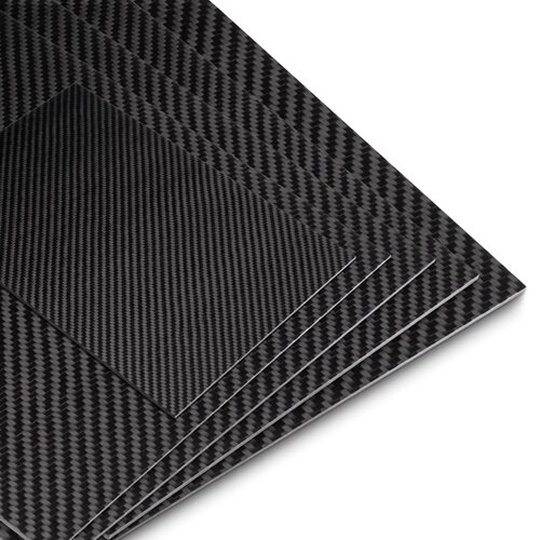
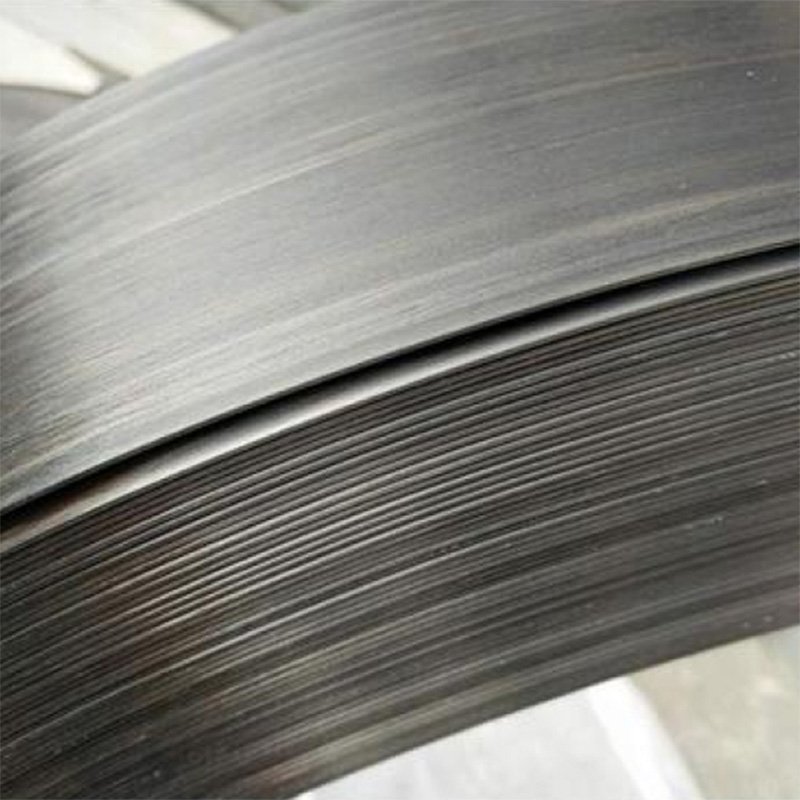
Carbon fiber reinforcement is combined with a polymer matrix to form composite sheets that offer both lightweight properties and directional stiffness.
Inspect Finished Carbon Fiber Plates Against Clear Standards
We manufacture the finished carbon fiber sheets in strict accordance with your confirmed specifications, performing multi-point thickness measurements at designated locations to evaluate local thickness variations.
Before shipment, we inspect the sheet edges for chipping, pinholes, and scratches. The inspection results—documented as actual measurements and, where applicable, verified against reference samples—serve as the basis for acceptance. Boards found to have deviations undergo a secondary review to determine whether they can be released; any boards exceeding acceptance limits are subject to this review process prior to shipment.

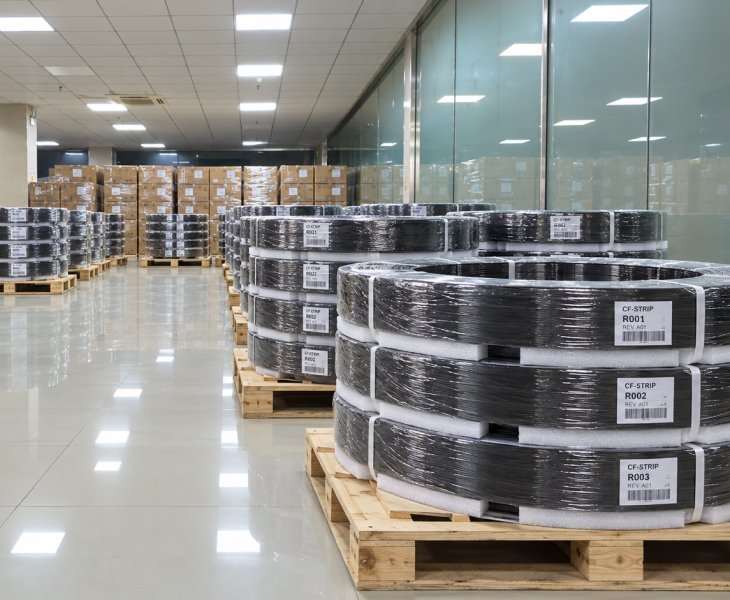
Compliance Regarding the Process from Sample Approval to Repeat Procurement
Your sample ID and confirmed acceptance criteria are linked to the version-controlled specification document for the carbon fiber plate. Once confirmed, this record clearly defines the lamination structure, dimensions, tolerances, and surface requirements necessary for mass production.
For repeat orders, we retrieve existing records and re-verify the applicable version, order quantity, and delivery requirements. Any adjustments to materials or specifications are submitted to you for confirmation prior to production, ensuring that subsequent orders continue to be executed based on clearly defined requirements.
Specifications
- Carbon Fiber Sheet Performance
| Property | Material Grade | Requirement | Property | Material Grade | Requirement |
| Tensile Strength | Grade I | ≥ 2,400 MPa | Fiber Volume Fraction | Grade I | ≥ 65% |
| Grade II | ≥ 2,000 MPa | Grade II | ≥ 55% | ||
| Tensile Modulus | Grade I | ≥ 160 GPa | Interlaminar Shear Strength | Grade I | ≥ 50 MPa |
| Grade II | ≥ 140 GPa | Grade II | ≥ 40 MPa | ||
| Elongation | Grade I | ≥ 1.6% | |||
| Grade II | ≥ 1.4% | ||||
| Pull-Off Bond Strength Between Fiber-Reinforced Polymer (FRP) and Substrate | Concrete and masonry substrates: ≥ 2.5 MPa, with cohesive failure within the substrate. | ||||
| Steel substrates: ≥ 3.5 MPa, with no adhesive failure at the bonded interface. | |||||
In the resin-based laminate structure of a solid carbon fiber sheet, every layer consists of carbon fiber reinforcement; a carbon fiber veneer, on the other hand, is a thin covering typically bonded to another surface. Since both may utilize genuine carbon fiber, it is impossible to determine the internal structure based on appearance alone. A sheet with a carbon fiber surface might actually contain fiberglass or a separate core material. When comparing products, one should verify the reinforcement materials throughout the entire thickness, check for the presence of a core, and determine whether the product is a standalone laminate or a decorative veneer.
“3K” indicates that each carbon fiber tow contains approximately 3,000 individual filaments; it describes the tow size rather than a strength grade or the thickness of the sheet. The “3K” designation in the product name may refer only to the surface fabric and does not necessarily describe all internal plies. The performance of the finished sheet is also influenced by factors such as the fiber grade, resin type, fiber content, layup configuration, and manufacturing quality.
When selecting a product, you should review the laminate structure specifications and relevant test data rather than relying solely on a “3K” label to gauge performance. If your application requires a lightweight, thin carbon fiber laminate for decorative facing—such as for instruments, audio equipment, or decorative panels—a 1mm carbon fiber sheet is a suitable choice; conversely, if you require components with a substantial cross-section—such as parts for automotive modifications or racing—a thicker 10mm carbon fiber sheet is the preferred option.
No, glossy and matte finishes describe the surface appearance rather than the structural performance grade. Glossy carbon fiber sheets are more reflective, whereas matte sheets offer a softer visual effect. Gloss level alone does not indicate strength, stiffness, or scratch resistance; these properties depend on the laminate structure and the surface system.
The surface finish on the two sides of a single panel may differ. while double-sided carbon fiber panels can feature a uniform appearance on both sides, some products combine a decorative front with a textured back. Therefore, when selecting a product, it is important to verify both the front and back surfaces—as seen in composite components such as instrument panels and console trim panels, which may utilize this combination of a decorative face and a textured reverse side.
For solid laminate plates with comparable structures, identical dimensions, and the same support conditions, increasing thickness generally enhances flexural stiffness. Consequently, a 3mm carbon fiber plate of a given type typically offers greater resistance to bending than a 2mm or 1mm plate. However, thickness alone does not determine load-bearing capacity; factors such as fiber orientation, material properties, unsupported span, and loading conditions are equally important. Increasing thickness also adds weight, and plates with different internal structures cannot be compared based on thickness alone.
Not necessarily. “3mm” is a nominal specification; the acceptable measured values must fall within a specific thickness range. When verifying thickness tolerances, it is important to distinguish between the permissible thickness range and variations in thickness across different locations on a single sheet. Prior to procurement and inspection, the parties involved should agree upon the measurement locations, the measurement method, and whether the thickness of the protective film is to be excluded. A single-point reading cannot represent the entire sheet, and an acceptable average value does not guarantee that every measurement point complies with the agreed-upon limits.
碳纤维板可以承受多高的温度?
The temperature resistance of carbon fiber sheets depends primarily on the resin system and the curing state. The upper service temperature limit for some standard epoxy carbon fiber sheets is approximately 60–80°C, while for certain epoxy prepreg sheets, it is around 120°C; specialized carbon fiber sheets can retain a significant portion of their rigidity even at temperatures around 260°C. These are reference values for specific products rather than universal limits. Before purchasing materials for your project, please verify the sheet’s rated temperature, duration of heat exposure, and load conditions; contact our customer service team for detailed specifications. Note that the glass transition temperature and short-term heat resistance temperature should not be equated with the maximum continuous operating temperature.
Related Products
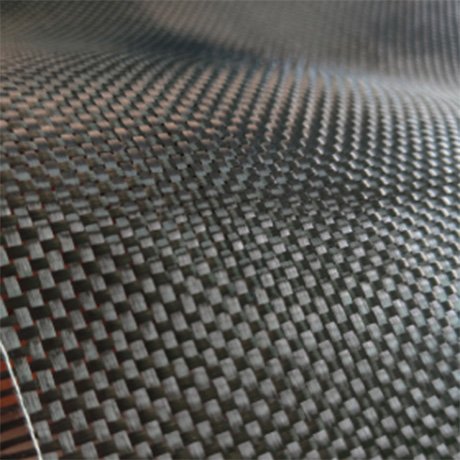
 3k 200gsm 2x2 Twill Carbon Fiber Fabric
Centered on coating and stability, suitable for curved surfaces, exterior components, and general composite parts.
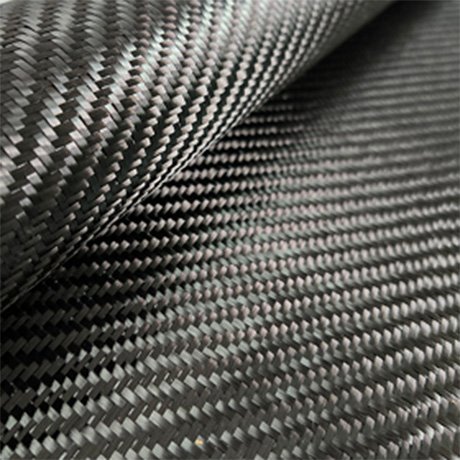 Bidirectional Carbon Fiber Fabric
The 0° and 90° fibers interweave with each other, providing a balanced structural reinforcement effect.
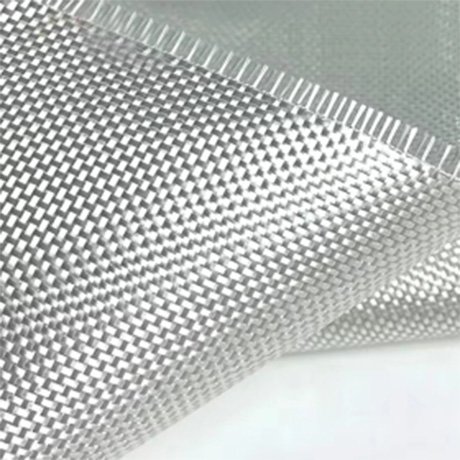 Fiberglass Cloth
Good electrical insulation, dimensional stability, and relatively good heat resistance.
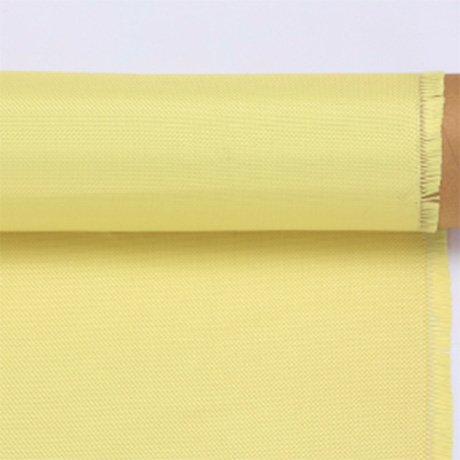 Plain Weave Aramid Fabric
With warp and weft interwoven, it offers excellent stability and slip resistance, making it suitable for flat panels, localized reinforcement, and general composite structures.