
XIAOQUE-Reliable Aramid Fabric Manufacturer
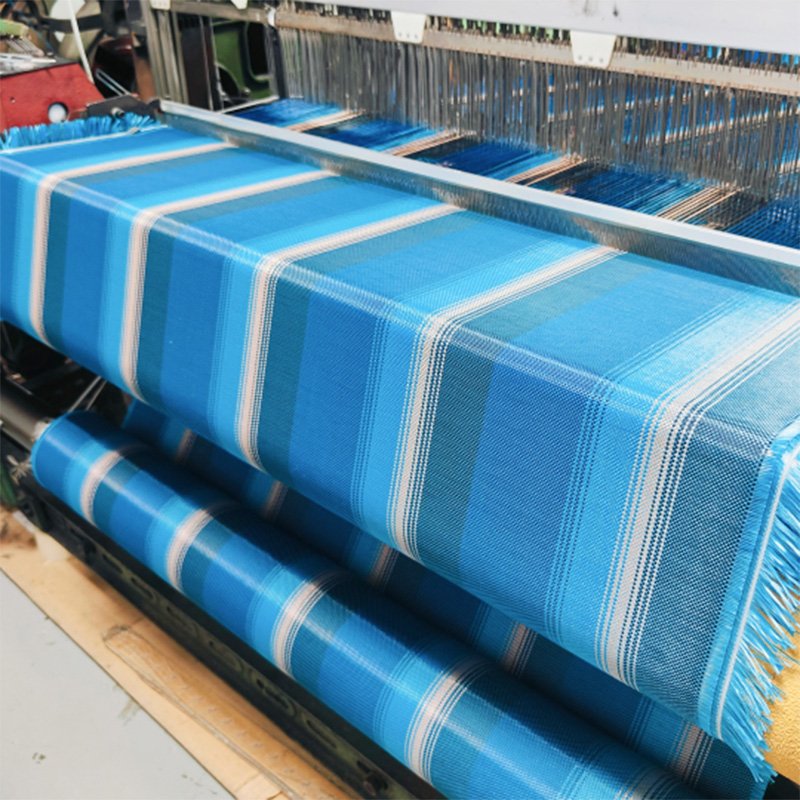
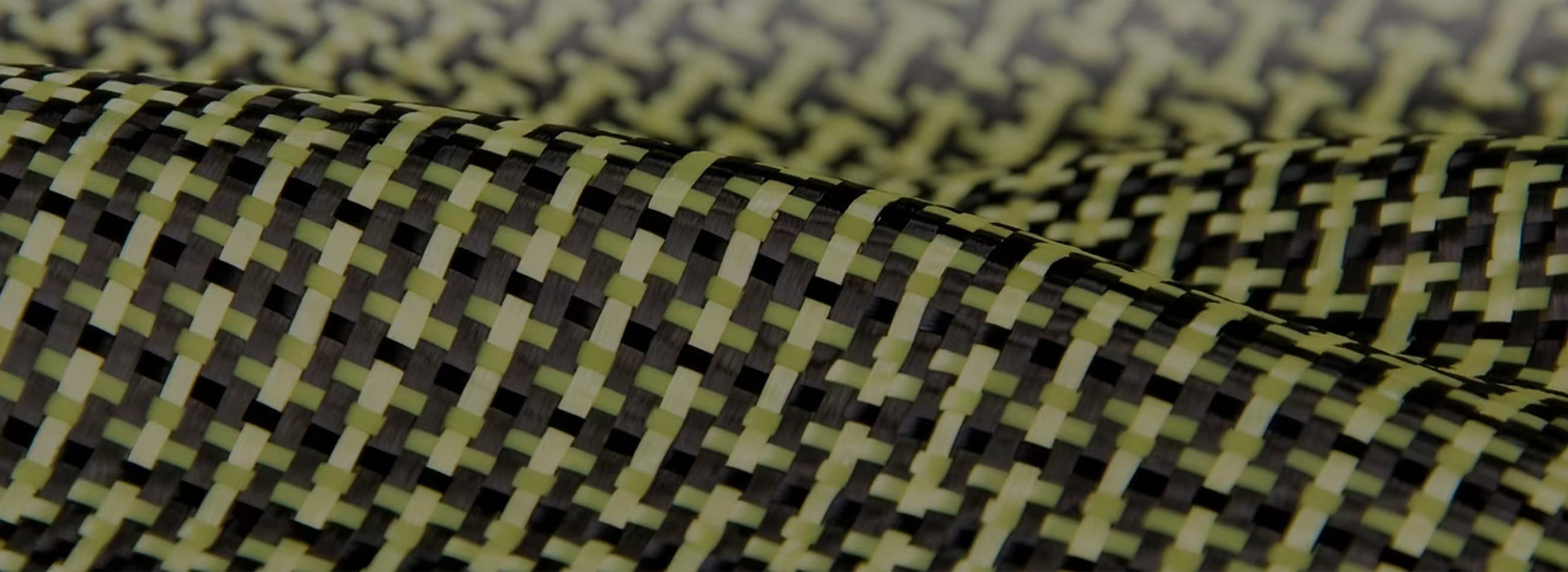
- A wide range of carbon fiber and aramid hybrid fabrics can be customized to meet specific requirements.
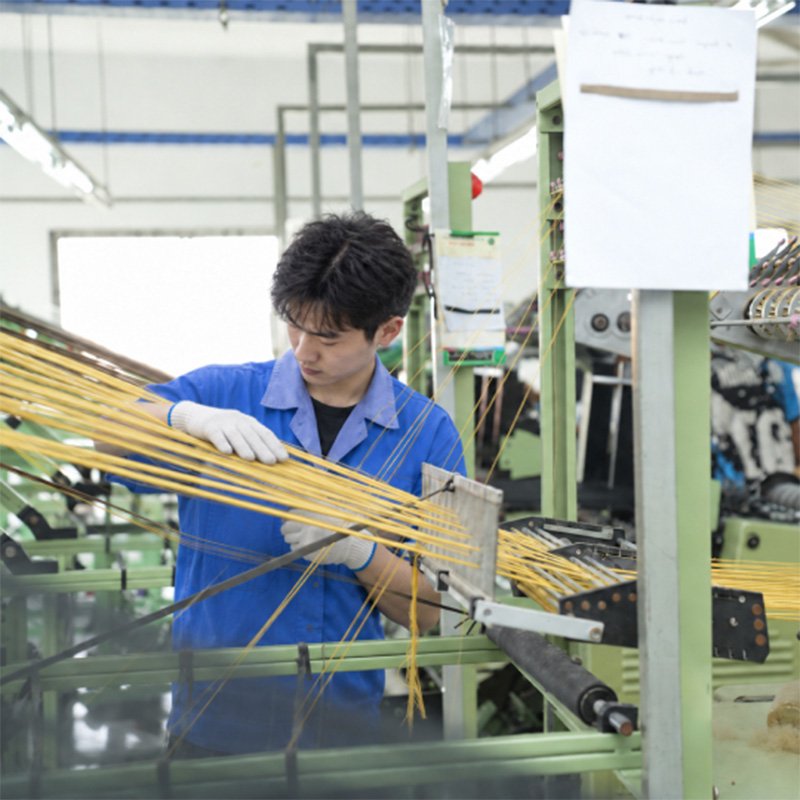
- Strict control of equipment parameters during weaving to minimize fuzz, yarn loss, and deformation
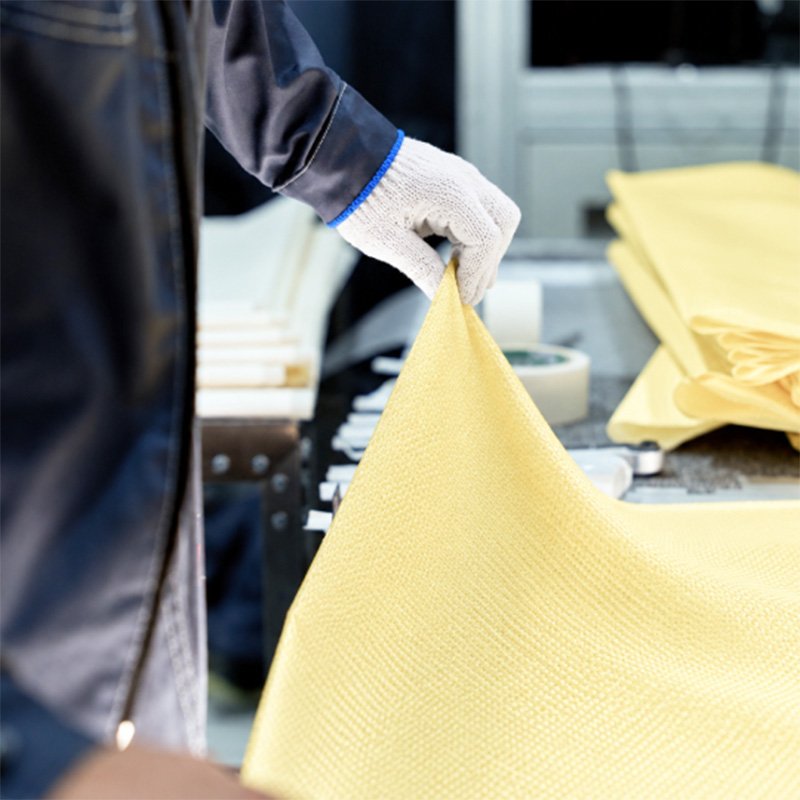
- Pre-shipment quality inspections covering fuzz, broken filaments, missing wefts, stains, and edge quality
- Traceability for each roll of aramid fabric via roll number, raw material batch, and production batch
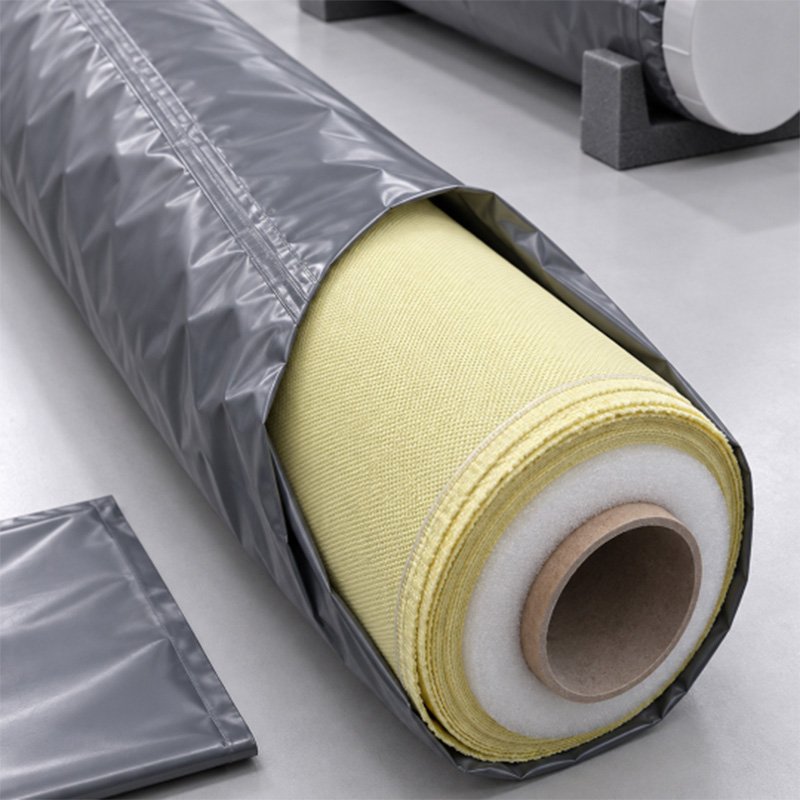
- UV-resistant and moisture-proof packaging designed for the specific sensitivities of aramid materials
Popular Product Options
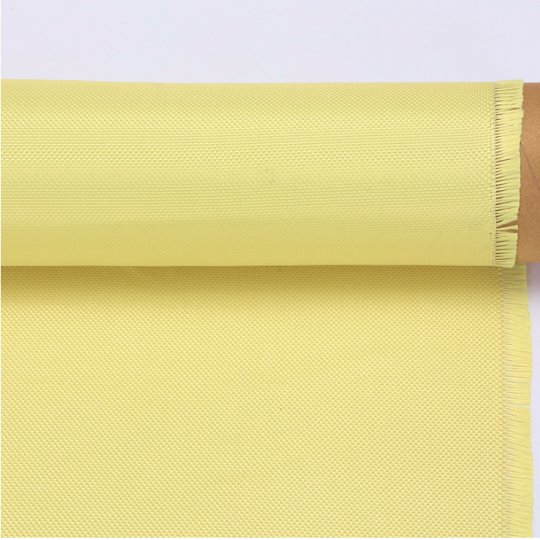
With warp and weft interwoven, it offers excellent stability and slip resistance, making it suitable for flat panels, localized reinforcement, and general composite structures.
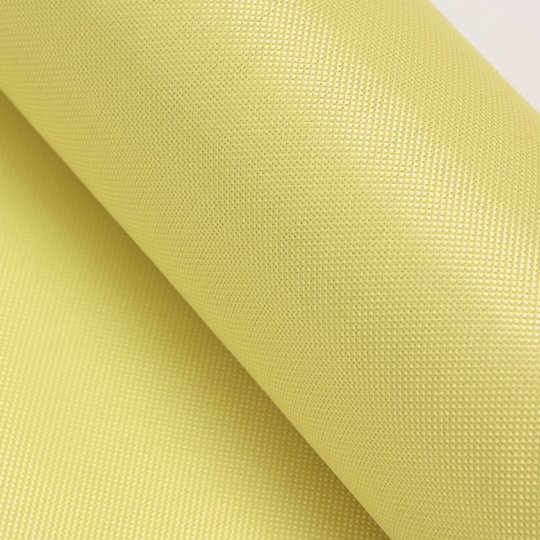
Supple, with a twill appearance; conforms well to curved surfaces; suitable for complex contours and visible exterior components.
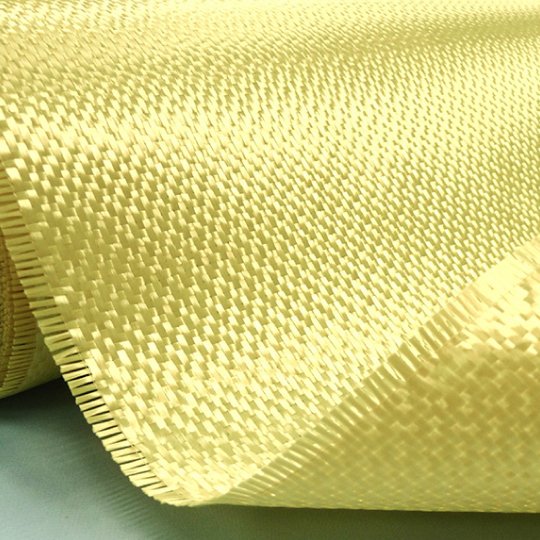
Smooth surface, excellent drapability; suitable for complex curved surfaces and components requiring high surface quality.
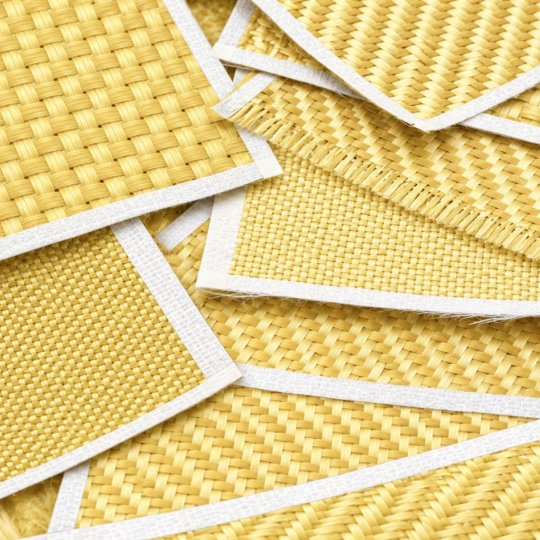
Customize specifications such as special weave or structure, GSM, width, pattern, and roll length.
Features of Aramid Fabric

Provides efficient reinforcement under tensile loads, enhancing structural load-bearing capacity at a lower weight.

The material itself is lightweight, making it suitable for composite components where weight reduction is required.

The material itself is lightweight, making it suitable for composite components where weight reduction is required.

Selects fiber direction for fabric based on the product, enhancing material efficiency.

Resistant to impact and sudden surges, helping to reduce brittle failure and the propagation of damage in the material.

It is capable of maintaining relatively stable reinforcement performance under conditions of repeated bending and cyclic loading.

Electrically insulating; suitable for structures requiring the avoidance of risks associated with carbon fiber conductivity.

Features low axial thermal expansion and low creep, suitable for applications requiring long-term dimensional stability.
Fabric Inspection
Set clear standards before production and complete quality verification for each batch.
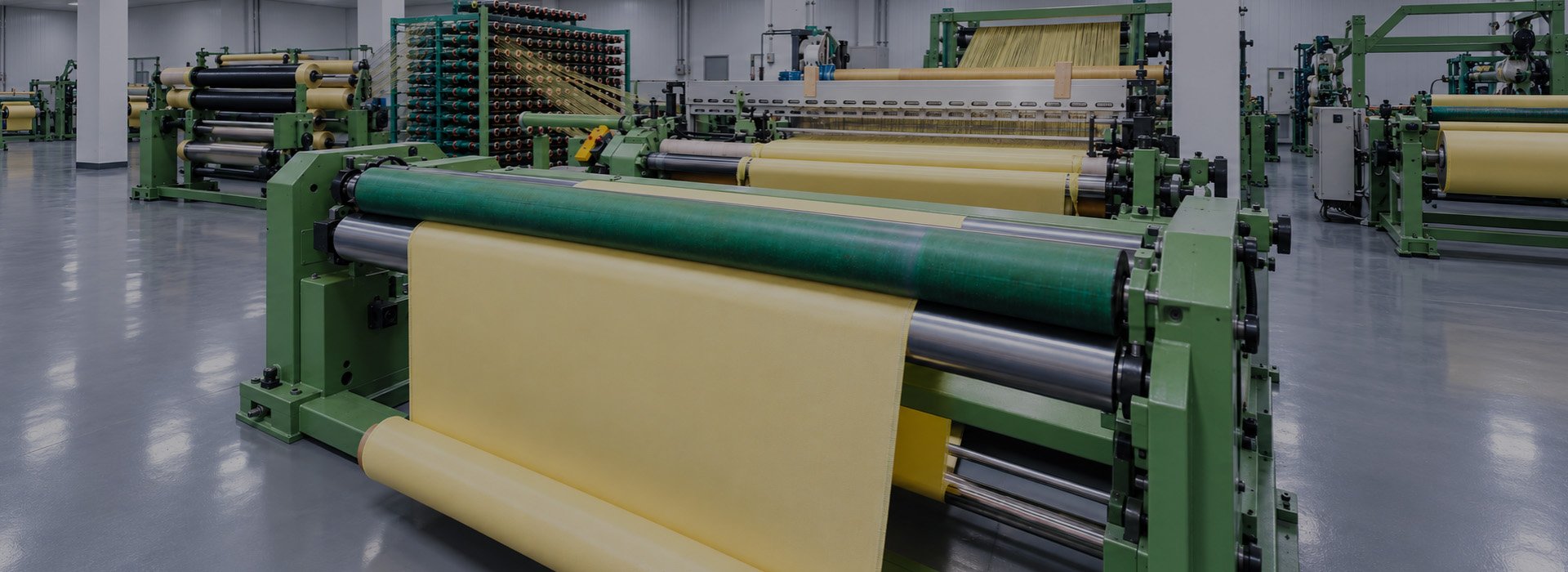
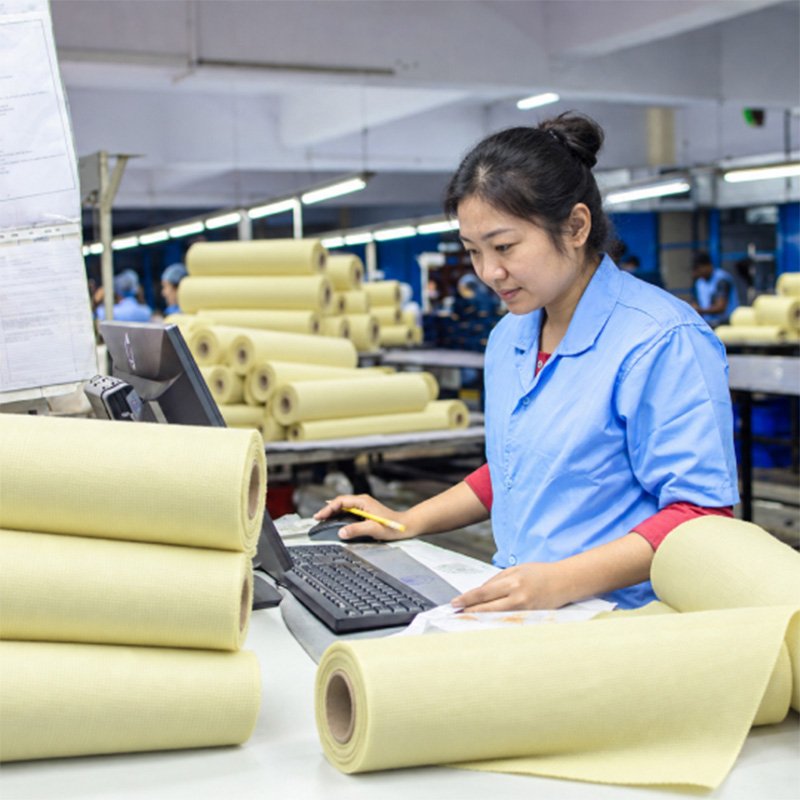
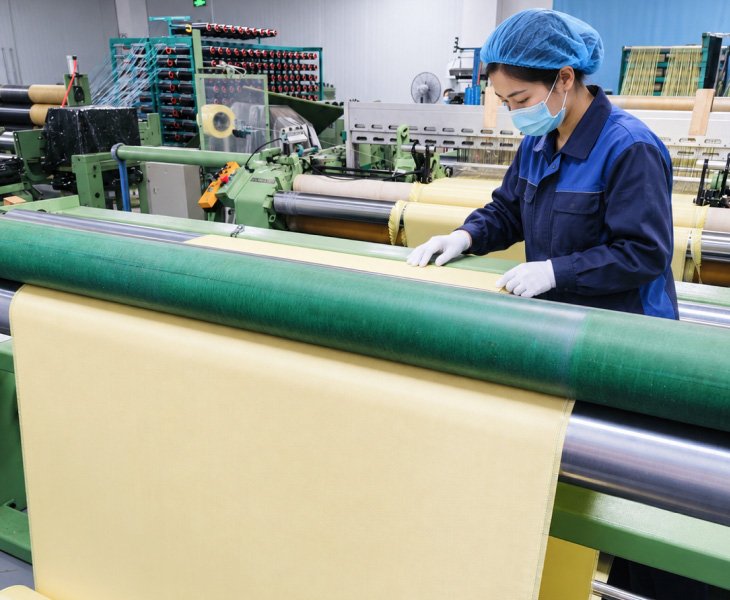
We monitor established specifications and surface defects during the weaving process, and every roll of aramid fabric undergoes a comprehensive inspection before leaving the factory.
Once rolled, we rigorously verify the areal weight, thickness, roll length, and appearance. Materials meeting standards are assigned unique roll numbers and batch records before packaging, while non-conforming materials are set aside for re-examination.

Guaranteed Reliability in Sourcing Chinese Aramid Fabrics
We ensure clear specifications and standardized delivery, making every critical step transparent.
During the procurement process, you may encounter issues such as unclear material properties, ambiguous tolerance standards, incomplete documentation, delayed progress updates, or damage during transit.
We mitigate procurement risks through a series of measures: confirming materials and specifications in writing, providing real-time updates on production and shipment status, and using protective packaging that meets export standards. Before shipment, every order is verified against established requirements to ensure greater stability and predictability for future repeat orders.
Xiaoque — Chinese Aramid Fabric Manufacturer
Mass production capacity
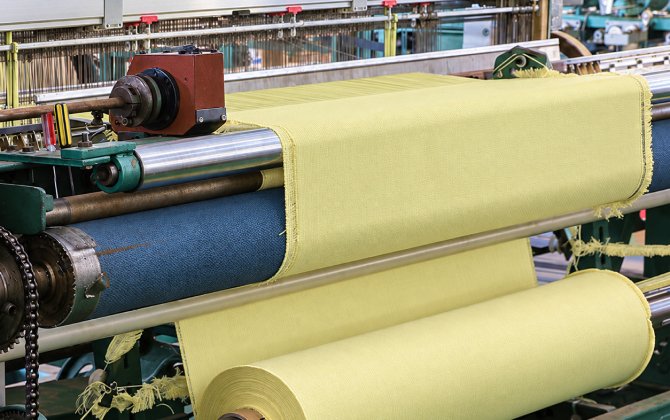
We operate two major production bases in Haining, China, spanning over 8,000 square meters, providing robust support for high-volume production and delivery.
International delivery support capabilities
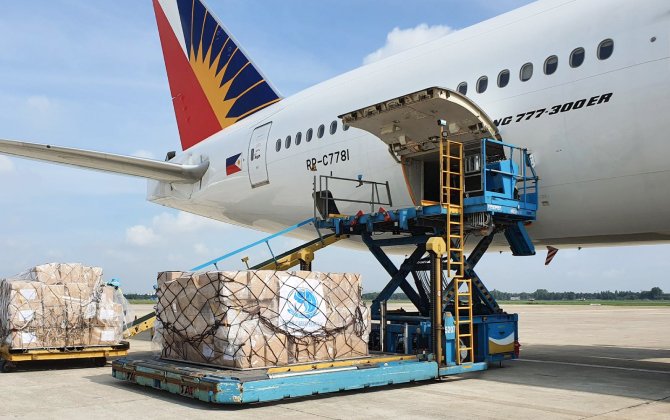
From sample shipment to mass production, we provide protective export packaging, relevant commercial invoices, and shipment status updates, ensuring overseas clients receive clear information and support throughout the entire process—from order confirmation to international delivery.
Material selection based on application
Please tell us about the products you manufacture and your key requirements. Based on our existing product range, we will recommend the aramid fabrics best suited to your project, including details on weave type, weight class, yarn specifications, and fabric width.
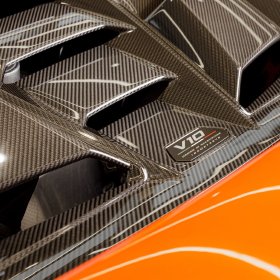
Body panels, underbody shields, wheel arch protectors, seat shells, and localized impact and wear-resistant layers.
Fabric: 2×2 Twill Para-aramid Fabric, Plain Weave Para-aramid Fabric, Satin Weave Para-aramid Fabric

Canoe and kayak hulls, decks, paddle blades, paddle edge protectors, seat shells, marine panels, and localized wear-resistant reinforcement layers for the hull bottom.
Fabric: 2×2 twill para-aramid fabric, plain weave para-aramid fabric, plain weave para-aramid fabric
Toolboxes, instrument housings, machinery guards, electronic equipment enclosures, protective covers, drone shells, and impact-resistant equipment panels.
Fabric:Plain-weave para-aramid fabric, 2×2 twill-weave para-aramid fabric, plain-weave para-aramid fabric
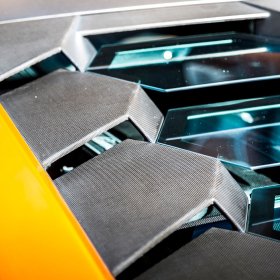
Typical product: Hybrid laminates, structural housings, equipment panels, robotic casings, sports equipment components, protective inserts, and localized reinforcement layers for carbon fiber or glass fiber laminates.
Fabric:Lightweight plain-weave para-aramid fabric, 2×2 twill-weave para-aramid fabric, satin-weave para-aramid fabric, custom-woven para-aramid fabric
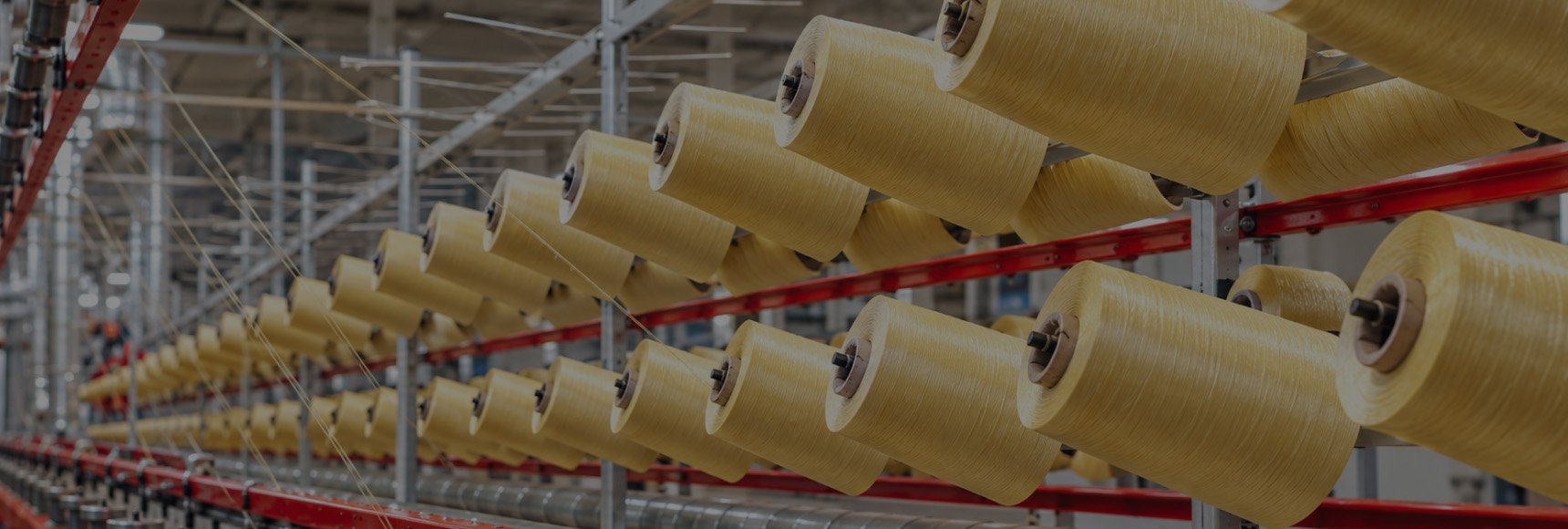
Specifications
- Aramid Fabric – General Physical Properties Specification Sheet
| Parameter | Typical Value / Range |
| Density | 1.43–1.45 g/cm³ |
| Tensile Strength | ≥28.5 cN/dTex |
| Elastic Modulus | ≥125 GPa |
| Elongation at Break | ≥5.5% |
| Thermal Decomposition Temperature | 530°C |
| Long-term Service Temperature | -200°C to 180–245°C |
| Flame Retardancy | Inherently flame retardant; self-extinguishing upon removal of flame |
| Water Absorption | Approx. 3.5% |
| Chemical Resistance | Resistant to most organic solvents; fair resistance to dilute acids, poor to concentrated acids; moderate alkali resistance |
| Width | 1000–1500 mm (customizable) |
| Roll Length | 50–100 m continuous roll |
| Color | Yellow (natural); customizable |
Testimonial
We highly value the 2×2 twill-weave aramid fabric produced by XIAOQUE for use in racing car body panels and localized wear-resistant reinforcements. The fabric maintains excellent structural stability during cutting and transport, and the mass-produced rolls consistently meet the specifications agreed upon during the prototyping stage. Communication between the two parties regarding production or shipment details has always been clear and seamless.

 Luca MorettiMotorsport Composites Manufacturer
We use XIAOQUE aramid fabric for the curved sections of our kayaks, paddle blade protective layers, and localized hull reinforcement. The rolls we receive are clean, neatly presented, well-packaged, and clearly labeled. The fabric’s appearance and hand-feel match the approved samples perfectly, which streamlines material preparation for our production team and simplifies the reordering process.
 Sophie LaurentMarine & Paddlesports Equipment Manufacturer
As a distributor of composite materials, we require reliable product identification and comprehensive order records. XIAOQUE provides clear specifications, roll and batch numbers, and the agreed-upon inspection documentation for its plain-weave aramid fabrics. Their standardized export packaging and timely shipment updates also facilitate our management of repeat customer orders.
 Daniel CarterComposite Materials Distributor
Our aramid fabrics are woven from continuous-filament para-aramid yarns, which feature high tensile strength, low density, high toughness, and excellent abrasion resistance. Yarn density, filament count, weave pattern, and surface treatment processes vary according to fabric specifications; specific yarn specifications and batch details will be confirmed in the relevant technical and order documentation.
Para-aramid possesses higher tensile strength and modulus, making it suitable for reinforcing lightweight composites and for applications requiring impact absorption and wear resistance; while meta-aramid has lower structural strength, it offers superior long-term heat resistance and flame retardancy, leading to its common use in protective clothing, insulation materials, and filtration applications. These two materials are not directly interchangeable.
Upon receipt and warehousing, please store the aramid fabric in a clean, cool, and dry area, keeping it in its original sealed packaging to protect it from direct sunlight, moisture, and contact with corrosive chemicals. Provide adequate support when storing rolls to prevent crushing the cores, and avoid folding or dragging the fabric, which could cause contamination. Wear clean gloves and use appropriate cutting tools for aramid materials during handling, and reseal any unused portions of the roll after use.
Choose plain weave fabric when you need to maximize dimensional stability in flat components. Opt for twill weave fabric if the component has moderate curvature and requires good conformability alongside a visible diagonal pattern. For components with complex shapes that demand superior conformability, satin weave fabric should be used, as it deforms and conforms more easily during cutting and layup.
Yes. For applications such as racing panels and equipment housings that require a balance of stiffness and impact resistance, one can choose carbon/aramid hybrid twill fabrics or combine carbon fiber fabric with aramid reinforcement layers. For marine components, paddles, and cost-sensitive panels where enhanced impact and abrasion resistance are needed, aramid fabric can be combined with glass fiber fabric. When selecting materials, it is essential to verify the areal weight, fiber orientation, weave pattern, and intended ply location for each fabric, as well as to validate the final laminate structure.
You can enhance consistency between samples and bulk production by creating a “reference sample” and explicitly defining parameters—such as fiber grade, yarn specifications, weave structure, warp and weft density, GSM, effective width, and finishing processes—within your procurement specifications. For repeat orders, require the submission of matching raw material records, roll-level measurements, defect inspection results, and archived production data prior to shipment.
Related Products
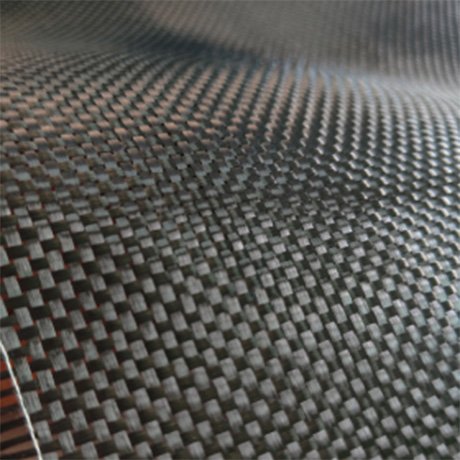
 3k 200gsm 2x2 Twill Carbon Fiber Fabric
Centered on coating and stability, suitable for curved surfaces, exterior components, and general composite parts.
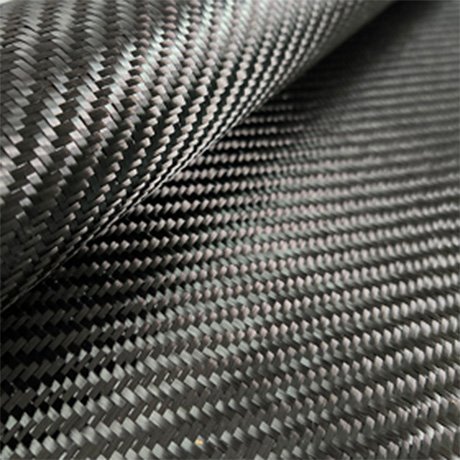 Bidirectional Carbon Fiber Fabric
The 0° and 90° fibers interweave with each other, providing a balanced structural reinforcement effect.
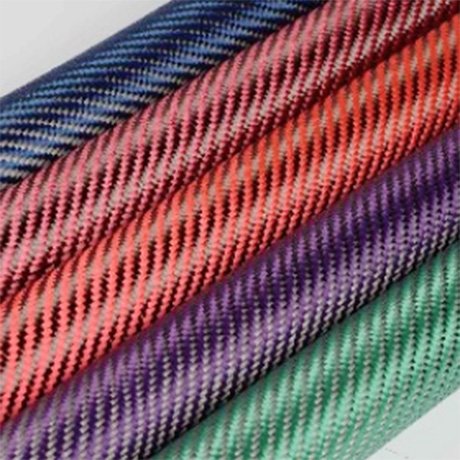 Carbon Aramid Hybrid Fabric
The combined stiffness of carbon fiber and the impact resistance of aramid.
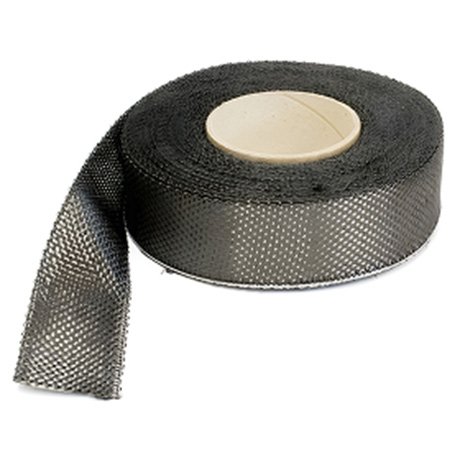 Carbon Fiber Tape
Narrow-width carbon fiber-reinforced materials facilitate precise placement, providing oriented reinforcement and efficient localized reinforcement for composite components.