

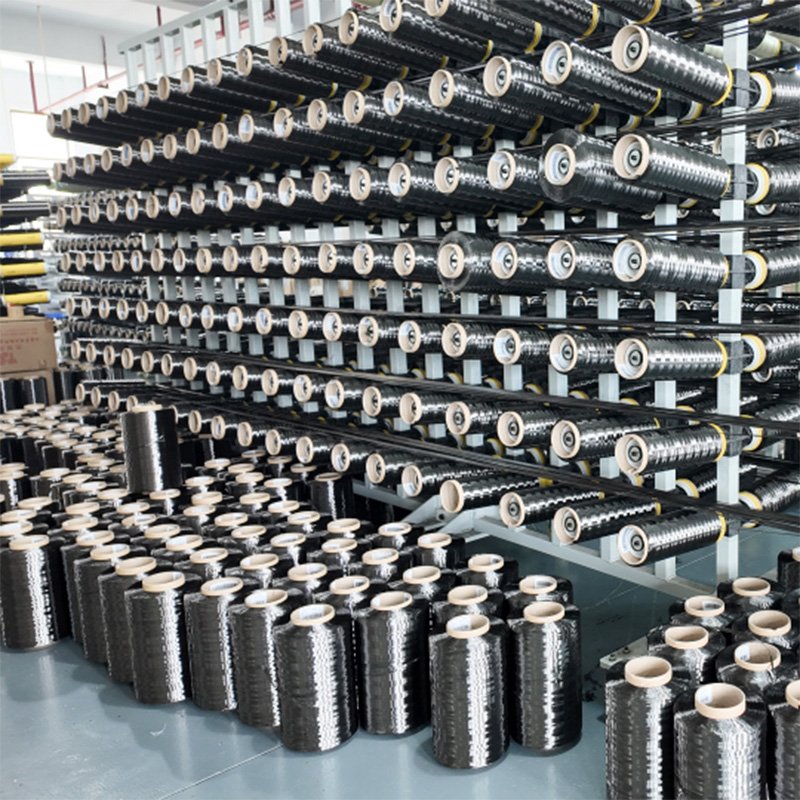

XIAOQUE-The Capabilities of Carbon Fiber Fabric Manufacturers
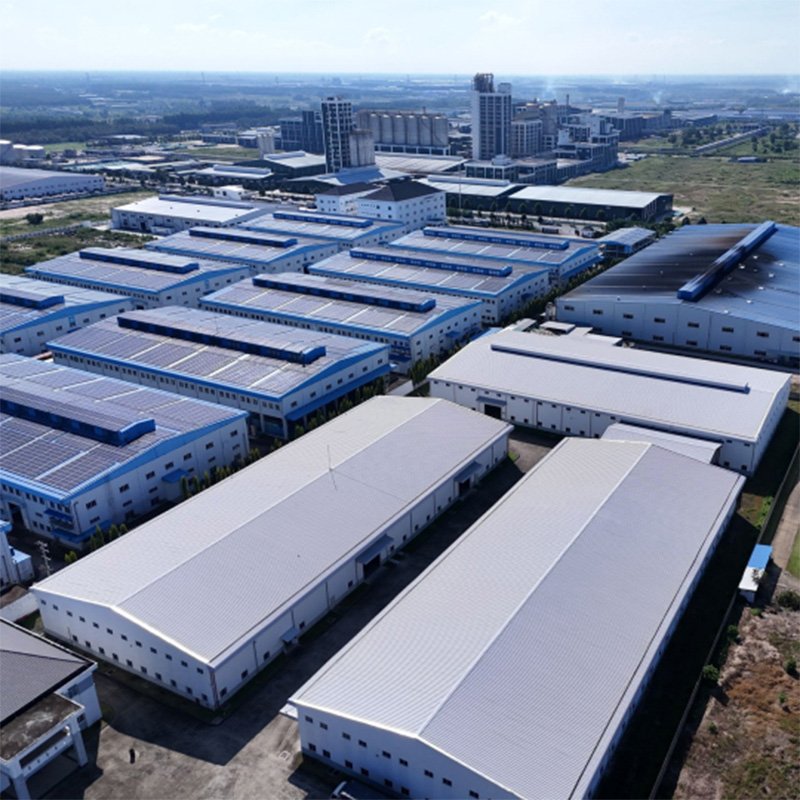
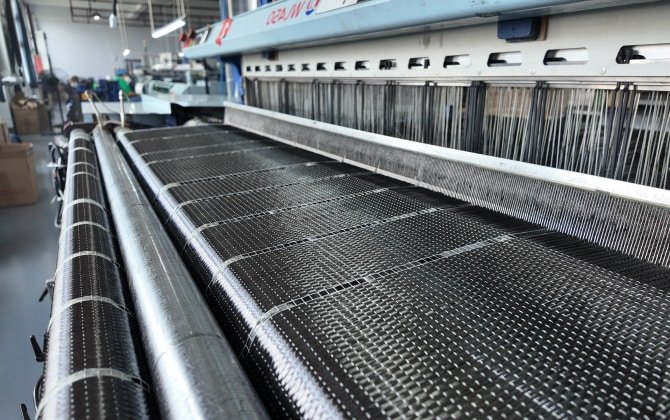
- Two major production bases, with a total area of over 8,000 square meters
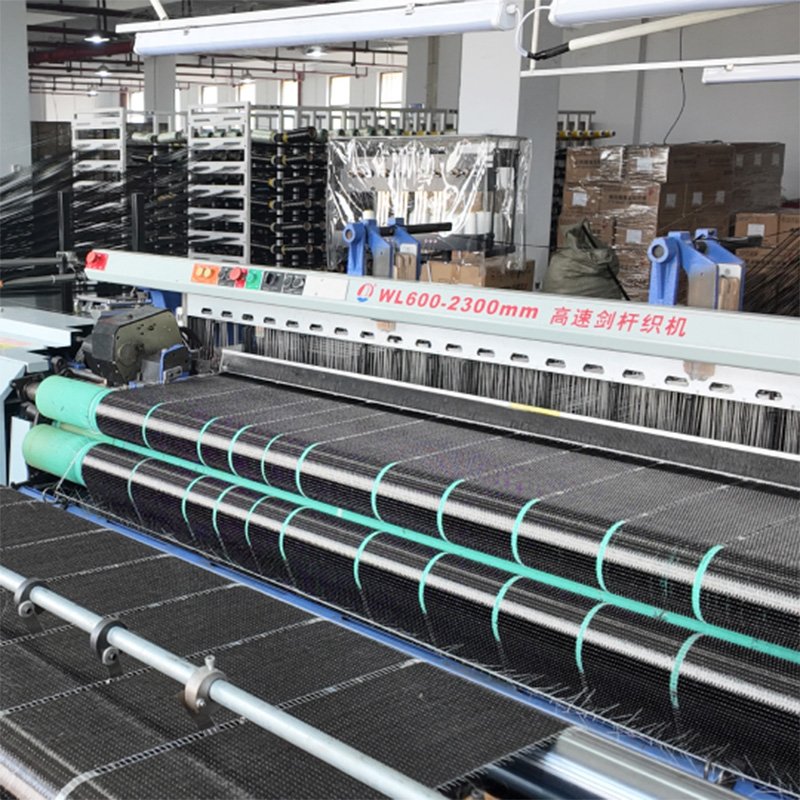
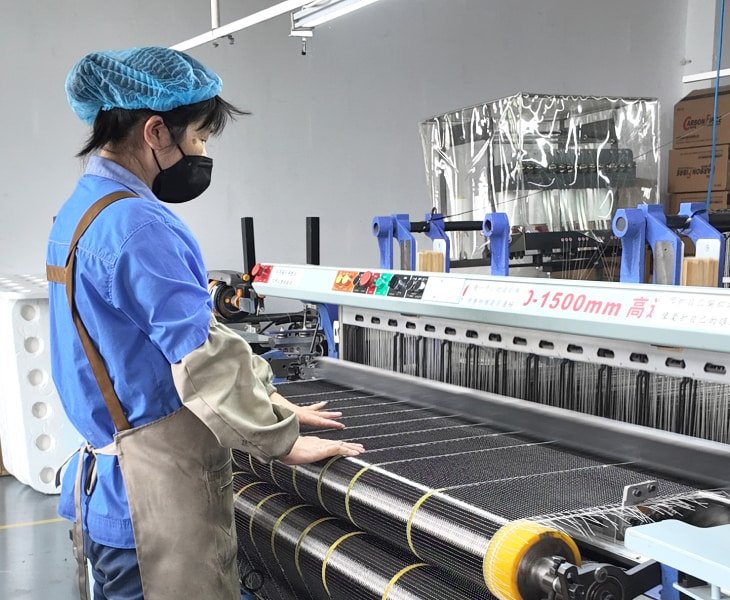
- Over 40 Dornier looms imported from Germany
- Monthly production capacity exceeding 300,000 square meters
- Provides ICR compliance certification support
- Fixed parameters, with support for roll-by-roll inspection and batch traceability
- Supports sample orders and custom specifications
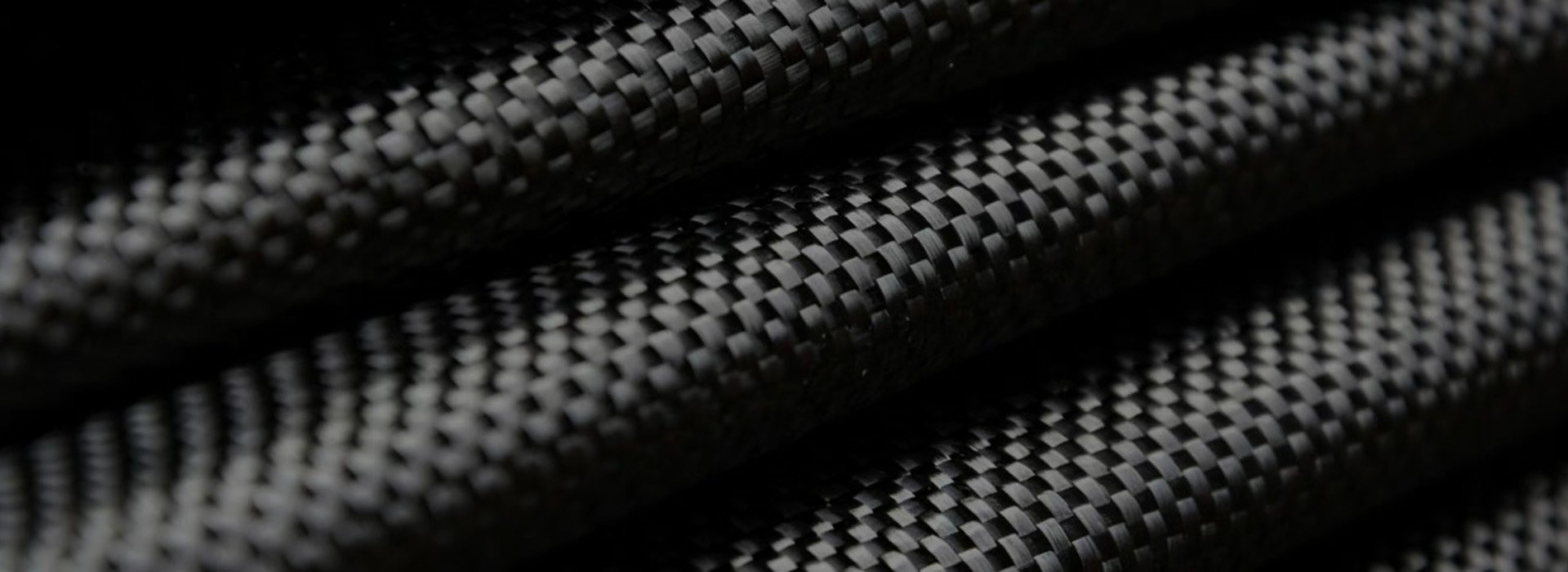
Products of Carbon Fiber Fabric
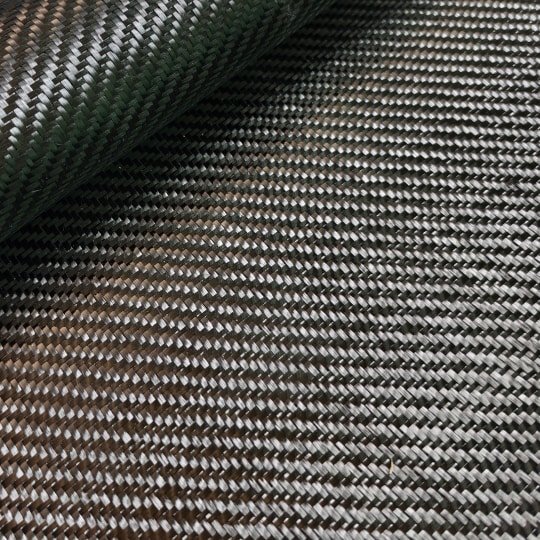
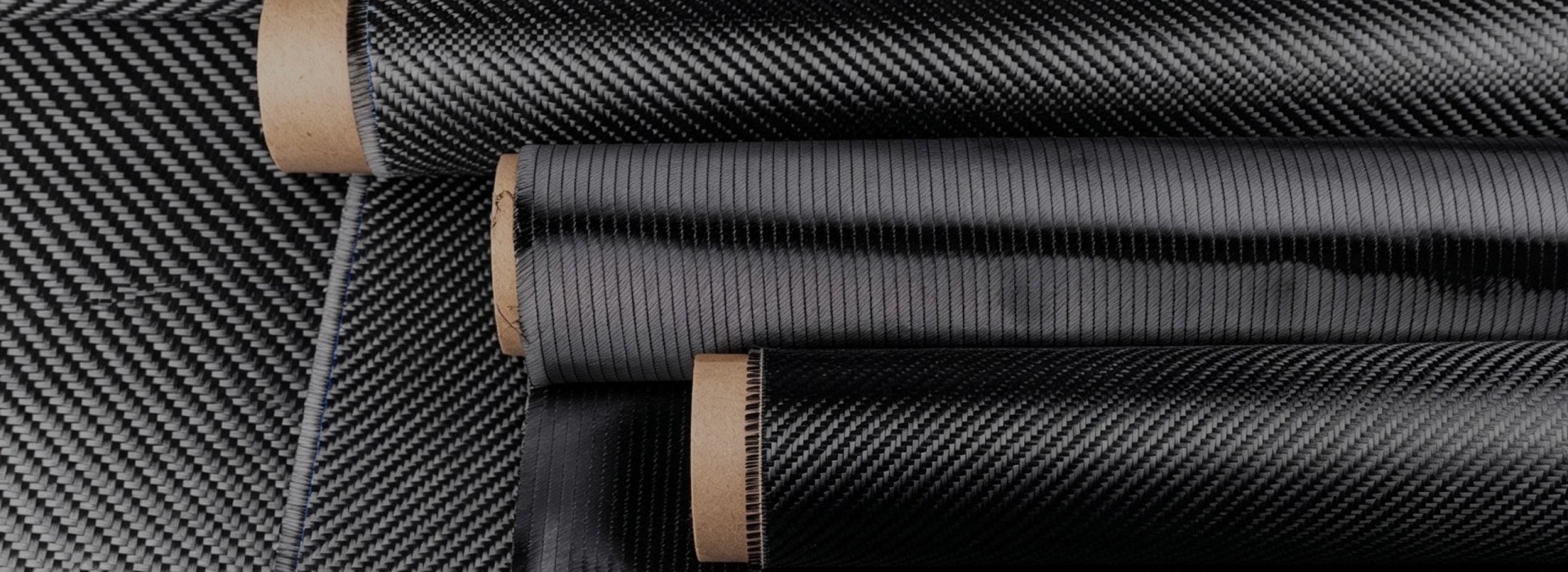
Centered on coating and stability, suitable for curved surfaces, exterior components, and general composite parts.
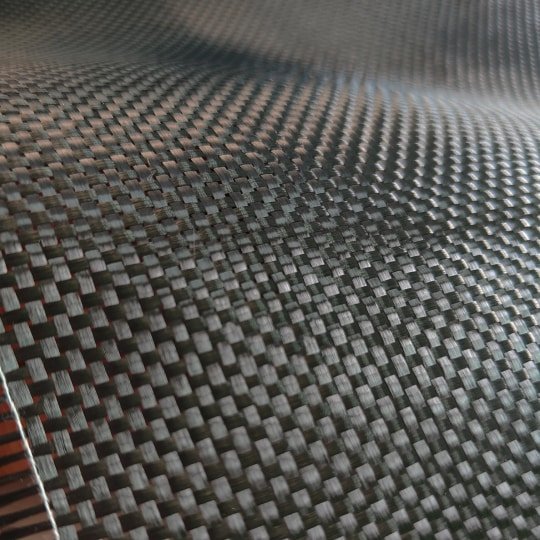
The plain weave structure is stable and is suitable for flat surfaces, exterior components, and general composite parts.
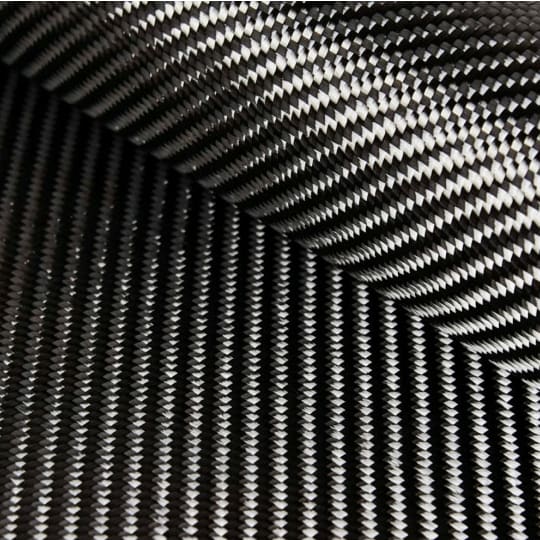
High basis weight and high surface density help improve layup efficiency for large components and internal structural layers.
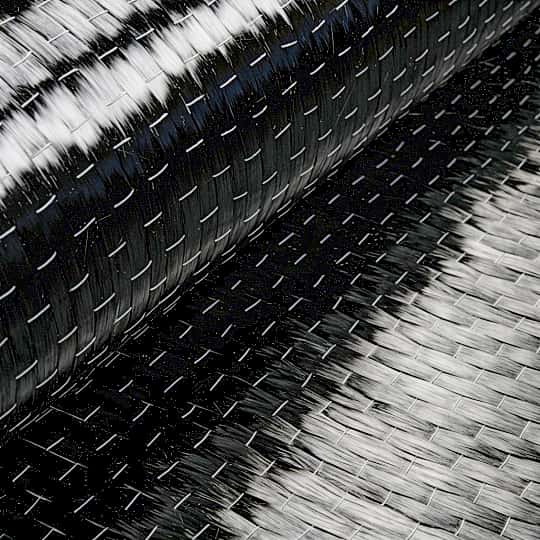
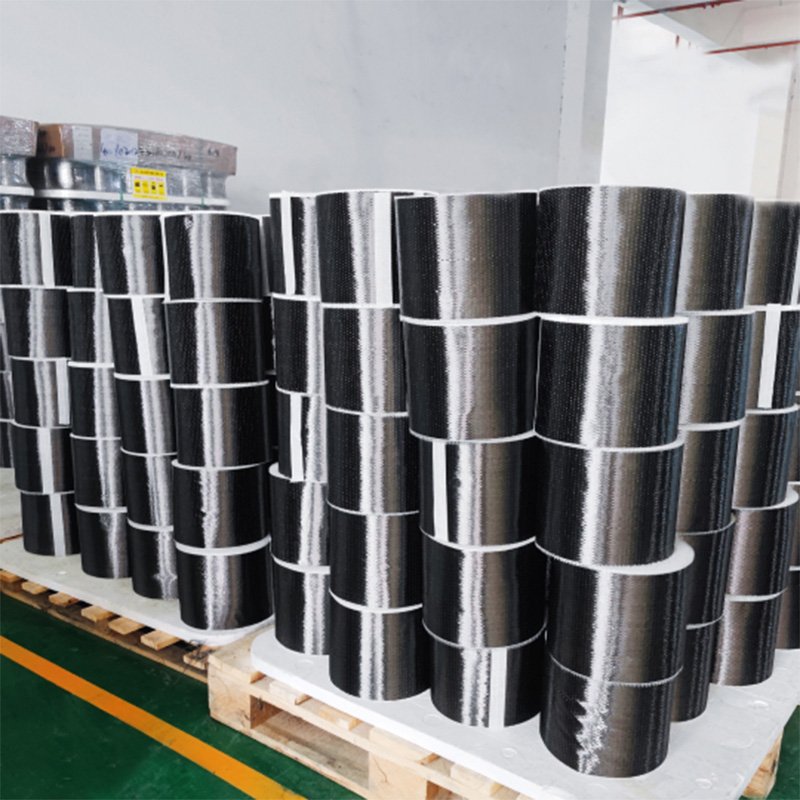
The fibers are subjected to force in a single direction in a parallel manner, thereby enhancing strength and being suitable for reinforcing in directional structures.
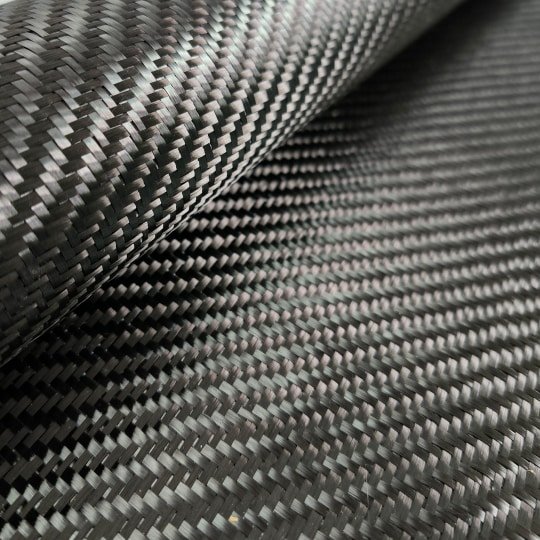
The 0° and 90° fibers interweave with each other, providing a balanced structural reinforcement effect.
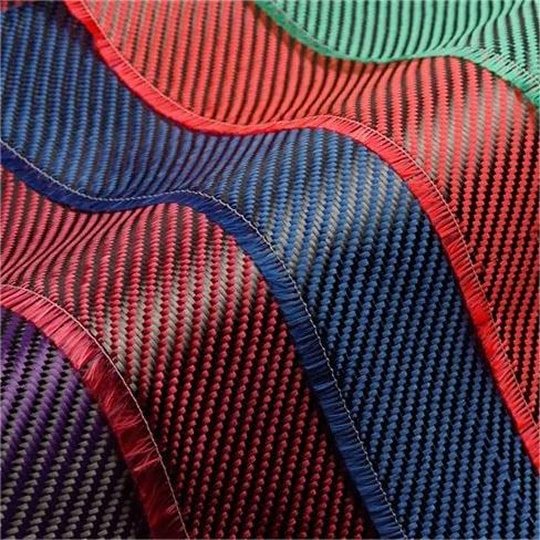
The combined stiffness of carbon fiber and the impact resistance of aramid
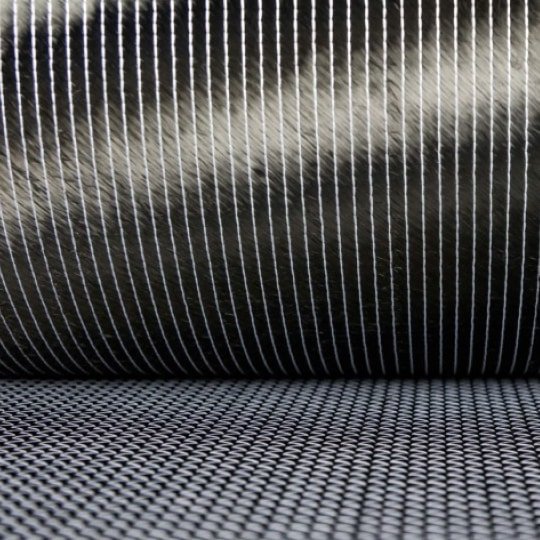
Two-directional non-woven fiber layers are woven together to form a structure suitable for resisting shear forces and enhancing multi-directional strength.
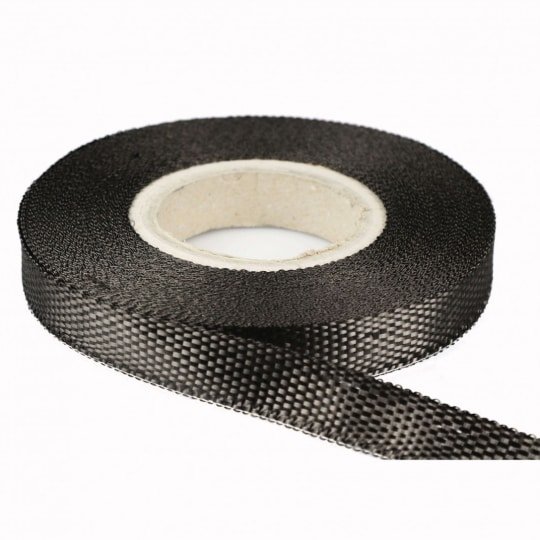
Narrow-width carbon fiber-reinforced materials facilitate precise placement, providing oriented reinforcement and efficient localized reinforcement for composite components.
Features of Carbon Fiber Fabric

Reduces the weight of components, providing efficient reinforcement for composite material structures

Helps in achieving high stiffness laminated structures, effectively withstanding high tensile loads

Helps in achieving high stiffness laminated structures, reducing bending deformation under load

Selects fiber direction for fabric based on the product, enhancing material efficiency

Complies with specifications and curing conditions, helps maintain structural performance

Carbon fiber is resistant to acids and alkalis, meeting the durability requirements for complex usage environments

Low thermal expansion, helps maintain dimensional stability during temperature changes

Various weaving methods and specifications, meeting different molding processes
Quality Control
Set clear standards before production and complete quality verification for each batch.
From the sample to the finished roll material, we strictly follow the agreed-upon acceptance requirements between the two parties to inspect and record the key specifications, fabric conditions and batch traceability information.
We set the specifications and production parameters, link them with the production batches, and reduce the deviations between samples and batch production, thereby ensuring the consistency of the products.

China's Procurement Risk Management
Make the process of your procurement in China more transparent
The reliability of procurement not only depends on the product price, but also requires clear specifications and delivery time. We both need to sign a written order agreement to confirm the samples as the basis for production. Any changes in specifications or delivery time should be communicated in advance.
Our pre-shipment quality inspection, quantity verification and packaging requirements can reduce the risks of disputes over goods between both parties.
XIAOQUE — Carbon Fiber Fabric Manufacturer in China
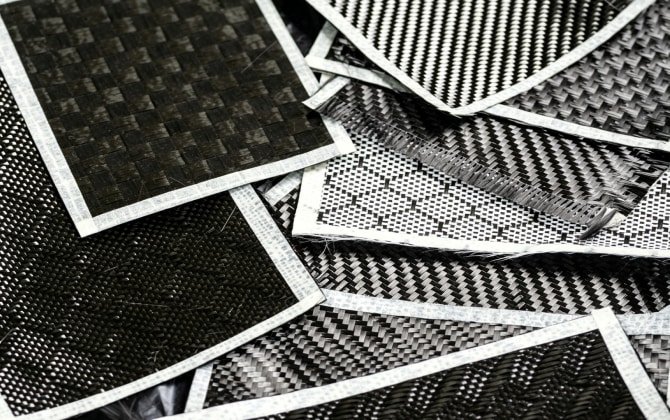
Mass production capacity
We have two major production facilities in Haining, China, which support the stable production of carbon fiber fabric and the fulfillment of large-volume orders.
Customized specification development capability
We support over 100 types of carbon fiber fabric structures, and can flexibly customize and develop based on filament bundles, weaving methods, weight, width, and fiber direction.
Material selection based on application

Typical product: Decorative composite panels, equipment covers, instrument housings, automotive interior panels, rearview mirror shells, motorcycle shells and electric bicycle covers.
Fabric:3K 2×2 Twill Carbon Fiber Fabric、3K Plain or Bidirectional Woven Carbon Fiber Fabric、3K Twill Carbon Fiber Prepreg
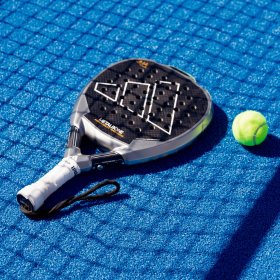
Typical product: Tennis rackets and badminton racket frames, golf clubs, fishing rods and handlebars, bicycle frames, front forks, rims, handlebars and seat tubes, as well as ski poles and hiking poles.
Fabric:Unidirectional Carbon Fiber Fabric、Biaxial or Multiaxial Carbon Fiber Fabric、3K Twill Carbon Fiber Fabric or Prepreg
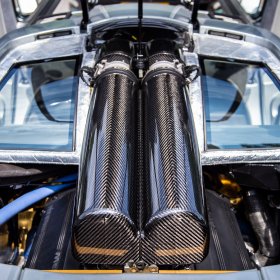
Typical product: Robot arms, lightweight beams and frames, equipment enclosures, inspection fixtures, unmanned aircraft frame plates, support arms and load equipment housings.
Fabric:Unidirectional Carbon Fiber Fabric、Plain or Bidirectional Woven Carbon Fiber Fabric
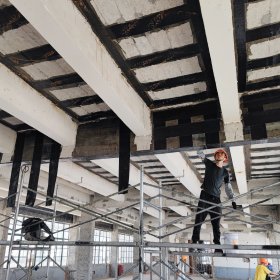
Typical product: Reinforcement of concrete beams and slabs for bending or shear resistance, reinforcement of columns for restraint, strengthening of masonry walls and openings, as well as local reinforcement of bridges, tunnels, wooden or steel structural components.
Fabric:Unidirectional Carbon Fiber Fabric、Bidirectional Woven Carbon Fiber Fabric

Product Specifications Table
- Carbon Fiber Fabric Performance Comparison
Editable comparison of strength grade, weight, thickness, measured performance and design values for four CFS fabric specifications.
| PERFORMANCE PROJECT | CFS-I-300 | CFS-I-200 | CFS-II-300 | CFS-II-200 | |
| INTENSITY LEVEL | High strength Grade I | High strength Grade I | High strength Grade II | High strength Grade II | |
| WEIGHT (g/m²) | 300 | 200 | 300 | 200 | |
| THICKNESS (mm) | 0.167 | 0.111 | 0.167 | 0.111 | |
| TENSILE STRENGTH (MPa) | National Standard | ≥3400 | ≥3400 | ≥3000 | ≥3000 |
| Test Data | 3870 | 3710 | 3216 | 3325 | |
| ELASTIC MODULUS (GPa) | National Standard | ≥2.4×10⁵ | ≥2.4×10⁵ | ≥2.1×10⁵ | ≥2.1×10⁵ |
| Test Data | 2.45×10⁵ | 2.45×10⁵ | 2.1×10⁵ | 2.40×10⁵ | |
| ELONGATION (%) | National Standard | ≥1.7 | ≥1.7 | ≥1.5 | ≥1.5 |
| Test Data | 1.74 | 1.7 | 1.70 | 1.74 | |
| DESIGN VALUE OF TENSILE STRENGTH Ef (MPa) | Important Components | 1600 | 1400 | ||
| General Components | 2300 | 2000 | |||
| DESIGN VALUE OF ELASTIC MODULUS Ef (MPa) | Important Components | 2.3×10⁵ | 2.0×10⁵ | ||
| General Components | |||||
| STRAIN RESISTANT DESIGN VALUE Ef | Important Components | 0.007 | 0.007 | ||
| General Components | 0.01 | 0.01 | |||
Testimonial
Before placing the bulk order, we had confirmed a 3K twill carbon fiber fabric sample. The weaving method, width and appearance of the produced sheet material were exactly the same as the sample. The labels on the sheet and the inspection records were clear and understandable, which made the material acceptance process smoother and gave us more confidence when planning repeat orders.

 Michael TurnerPurchasing Manager of Composite Components Manufacturer
We use carbon fiber fabric to manufacture components for sports equipment. Therefore, during the cutting and lamination processes, straight winding and uniform fiber arrangement are of crucial importance. The rolls arrived in good condition, with clean edges and no obvious contamination. Our operators found that compared to the previous batches, there was less deformation, which helps to reduce the adjustment time in the workshop.
 Daniel WebbProduction Engineer, Sports Equipment Manufacturer
Our project requires non-standard widths and stricter area-weight tolerances than those of conventional carbon fiber cloth. The technical team had confirmed the specification requirements in writing before production and promptly informed us of the progress schedule. When the goods arrived, they were accompanied by the designated packaging and roll identification, making the receiving and inventory management very smooth.
 Laura BennettDirector of Purchasing, Composite Materials Distributor
K represents the number of single filaments in each bundle of fibers, not the strength grade. 12K is not necessarily stronger than 3K or 6K. The strength also depends on factors such as fiber weight, weaving method, fiber orientation, number of layers, and molding process; 3K is suitable for curved surfaces and visible appearance components; 6K is suitable for general composite material components; 12K is suitable for high-weight fabrics, which is beneficial for improving laying efficiency and saving costs.
After you provide the component dimensions, laying requirements and the estimated quantity, we can assist in estimating the amount of carbon fiber cloth needed, and reasonably consider the cutting and processing losses of the project.
There is no such thing as being absolutely better. The plain weave structure is stable, making it suitable for flat panels and components that require layer stability. The diagonal weave has better covering performance and a smoother texture, making it suitable for visible appearance components on curved surfaces. When making a selection, we recommend that you first confirm the shape of the component, surface requirements, weight, and cutting process. Then, through sample production, determine the material.
How do you interpret carbon fiber fabric specifications before purchasing?
Selecting carbon fiber fabric based solely on the product name can lead to unsuitable samples or discrepancies between trial orders and mass production. Complete specifications should clearly outline the fiber grade, fabric structure, areal weight (GSM), width, roll specifications, tolerances, and appearance requirements. Understanding these details enables buyers to compare quotes on a like-for-like basis.
1. Distinguishing Between Fiber Grade and Yarn Specification
Fiber grade and yarn specification are distinct parameters. Fiber grade identifies a specific carbon fiber product and its published technical properties—such as tensile strength, modulus of elasticity, elongation, density, and sizing/coating type. When a project specifies a particular grade, the purchaser should request specific data from the manufacturer rather than relying on generic descriptions like “high-strength carbon fiber.”
Yarn specification refers to the number of filaments contained within a single carbon fiber tow. A 3K tow contains approximately 3,000 filaments, while 6K and 12K tows contain approximately 6,000 and 12,000 filaments, respectively. The “K” value does not indicate a strength grade. Changes in yarn specification primarily affect tow width, linear density, fabric structure, surface texture, production efficiency, and cost. Consequently, it is impossible to compare the strength of 3K, 6K, and 12K carbon fiber fabrics without also considering fiber grade, weave structure, fiber orientation, and testing standards.
2. Identifying Fabric Structure
Carbon fiber fabrics encompass various reinforcement structures. Woven carbon fiber fabrics consist of interlaced warp and weft yarns; unidirectional (UD) fabrics concentrate the majority of the reinforcement in a single direction, utilizing a lightweight support structure for ease of handling; and bidirectional or multidirectional fabrics arrange fiber layers in combinations such as 0°/90° or +45°/−45°.
These structures differ in how fibers are distributed. While suppliers can specify available structures, fiber orientations, GSM, and widths, the purchaser or component designer must verify the required load paths and laminate design.
3. Fully Reviewing Weave Specifications
For woven products, specifications should clearly state the specific weave pattern rather than simply labeling the material as “carbon fiber cloth.” Plain weave carbon fiber fabric features an alternating over-under pattern; it offers high structural stability but generally has lower conformability and a more pronounced surface texture, making it suitable for flat or gently curved surfaces. 2×2 twill weave carbon fiber fabric strikes a balance between conformability and stability, making it suitable for curved surfaces, aesthetic components, and general composite parts.
The weave pattern influences the fabric’s drape, yarn crimp, stability, surface texture, and cutting characteristics; however, it does not independently determine fiber strength. A practical product description should incorporate key parameters—for example: 3K, 2×2 twill, 200 GSM woven carbon fiber fabric.
4. Understanding GSM, thickness, and ply count
GSM (grams per square meter) describes the dry weight per unit area. While 200 GSM and 300 GSM carbon fiber fabrics differ in their dry reinforcement content, GSM does not directly indicate the thickness of the dry fabric or the final laminate.
Two fabrics with the same GSM may vary in thickness due to differences in yarn specifications, weave density, fiber distribution, crimp levels, and the pressure applied during measurement. The thickness of the final composite is also influenced by the number of plies, resin content, compaction, and manufacturing conditions.
Buyers should avoid directly converting GSM into a guaranteed part thickness without sample data. If thickness is a requirement for acceptance, the measurement method and tolerances should be clearly defined. For thicker fabrics, assessment should be based on lamination tests rather than relying solely on GSM.
5. Verifying fiber orientation and fabric balance
Warp yarns run along the length of the roll, while weft yarns run across the width. Although bidirectional fabrics provide reinforcement in both directions, the fiber distribution is not necessarily equal. If directional distribution is critical, request details regarding the weight or construction of the warp and weft yarns.
For unidirectional and multiaxial materials, ensure that specified angles align with the supplier’s reference standards for roll orientation. Labels, drawings, and cutting instructions should all use consistent conventions for indicating orientation.
6. Checking nominal width, usable width, and roll details
The width of the carbon fiber fabric should be verified against the buyer’s cutting dimensions. The nominal roll width may include edge areas not intended for use in the final cut product. Suppliers should clearly distinguish between nominal width and minimum usable width, and specify the condition of the edges or selvages.
How to Select the Right Carbon Fiber Fabric for Cosmetic-Grade Composites?
When the carbon fiber weave pattern is visible, fabric selection depends on more than just tow size and areal weight. Weave geometry, fiber orientation, cleanliness, and roll consistency all influence the final part’s appearance. Desired aesthetic qualities should be translated into mutually agreed-upon specifications and verified with physical samples.
1. Define Visibility Zones and Aesthetic Requirements
First, determine where the carbon fiber composite will be used and how it will be displayed. Automotive trim, motorcycle fairings, sports equipment, equipment housings, decorative panels, and consumer product accessories may require different aesthetic configurations.
Identify whether the surface is interior or exterior, the typical viewing distance, curvature, lighting conditions, and the desired final finish (gloss or matte). Mark trim areas, high-visibility zones, and locations that will be concealed after assembly. Subtle deviations near trim edges—especially in the center of a display panel—may be unacceptable.
2. Carefully Select the Weave Pattern
The common diagonal aesthetic is typically achieved using 3K 2×2 twill carbon fiber fabric. Twill fabrics offer a balance between drape and stability; while the characteristic carbon pattern is distinct, “3K twill” alone does not guarantee surface uniformity.
Plain weaves create a regular checkerboard pattern and stabilize fiber tow alignment, resulting in flatter panels. Spread-tow carbon fiber fabrics produce flatter, larger checkerboard patterns that differ from traditional 3K fabrics.
The choice depends on pattern scale, geometry, and visual impact. However, physical fabric and laminate samples provide a more reliable basis for decision-making.
3. Determine Pattern Orientation and Symmetry
Carbon fiber fabrics intended for cosmetic parts possess a distinct visual orientation. Even slight rotations in twill lines become apparent where they intersect with edges, openings, centerlines, or adjacent parts.
Define the warp and twill directions, orientation relative to the part, and alignment with centerlines or edges. For paired parts, specify whether the pattern should remain parallel or be mirror-symmetrical. For curved parts, limits on pattern distortion must also be established.
While roll winding and weaving directions can be specified, the part manufacturer must control cutting and final positioning.
4. Define the fabric’s surface condition
Terms like “perfect weave” or “clean surface” are too subjective for repeatable inspection. A practical definition for carbon fiber fabric surfaces should clearly specify defect types, acceptance limits, and inspection zones.
Common defects include broken or missing fibers, gaps, overlaps, localized spreading, misalignment, fuzzing, wrinkles, contamination, edge damage, and seams. Color or reflectivity variations should be assessed under consistent lighting, as viewing angles alter reflection effects.
Specify the maximum size, frequency, and location for each defect type. Distinguishing between critical and non-critical defect zones is more practical than an undefined “zero-defect” requirement. All acceptance criteria must be measurable.
5. Use physical reference samples, not just photographs
Screen settings, camera exposure, lighting, and shooting angles all affect how carbon fiber fabric appears in photos. While images are valuable for initial communication, they should not serve as the sole basis for accepting cosmetic-grade carbon fiber fabric.
For repeat orders, retain an approved physical sample that represents the weave pattern, tow arrangement, texture, and appearance. “Limit samples” can demonstrate the maximum acceptable gaps, fuzz, localized distortion, or color variation.
Link reference samples to written specifications covering fiber grade, tow size, weave pattern, areal weight, width, and product identification; unlabeled samples are difficult to replicate.
6. Manage batch and roll identification
Consistent carbon fiber fabric relies on controlling raw materials and weaving parameters. Factors such as fiber grade, tow size, warp/weft arrangement, areal weight, weaving tension, fiber spreading, sizing, and winding all influence the fabric surface.
Repeat orders should reference confirmed specifications and samples, rather than just a generic description like “3K carbon fabric.” Batch and roll numbers link the delivered fabric to production and inspection records. The goal is to establish a traceable acceptance range, rather than promising that every square meter of fabric will be optically identical.
If multiple rolls of fabric are to be used for adjacent cosmetic parts, please notify us beforehand so we can discuss batch planning and roll identification. 7. Determine inspection methods
Appearance standards require corresponding inspection methods; please reach an agreement on the inspection methods.