
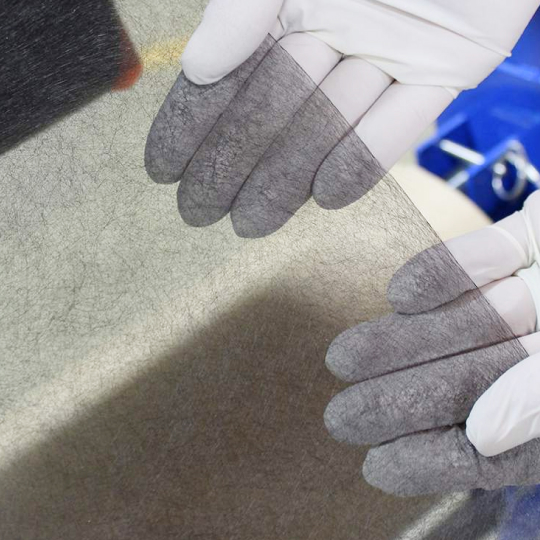
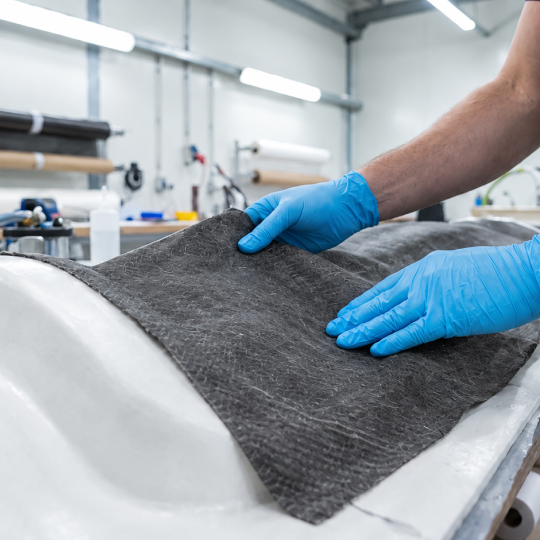
XIAOQUE-Selecting the Right Carbon Fiber Veil Material for Your Application
- Lightweight surface layer minimizes material weight gain
- Improved surface quality reduces fabric print-through
- Defined resin content facilitates material matching
- Documented handling strength aids in layup selection
- Comparable electrical resistance data supports functional evaluation
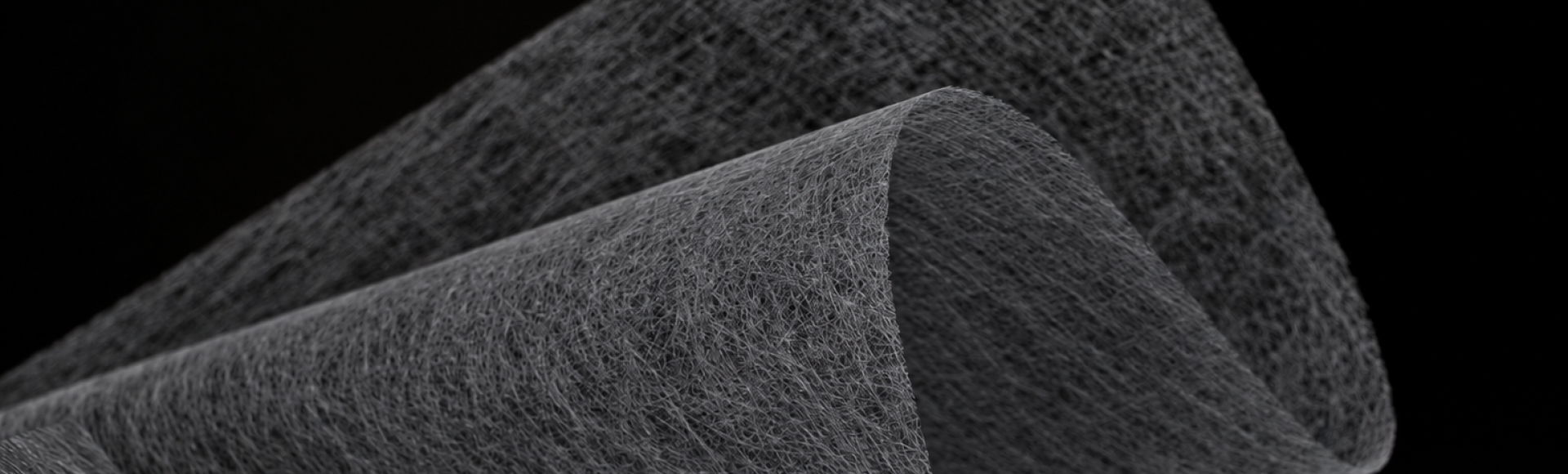
Explore our core products
Explore various product types and specifications to match your material requirements
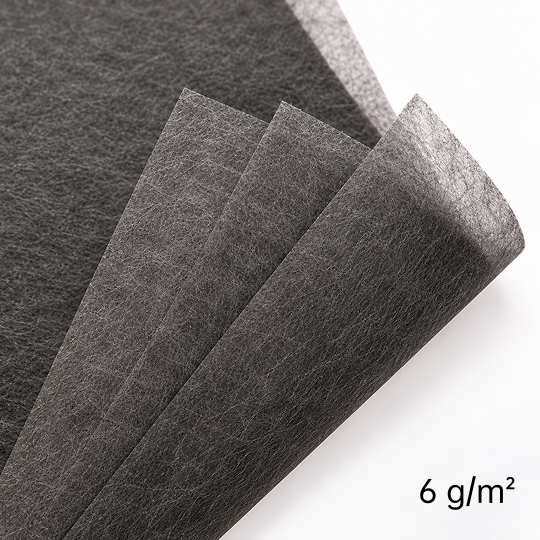
Lightweight and thin; suitable for projects prioritizing the control of weight gain in composite surface layers
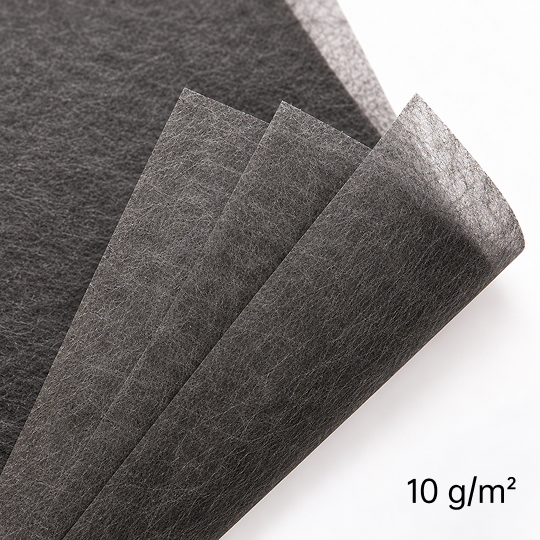
Material selection featuring lower basis weight, suitable for applications requiring ease of handling and installation
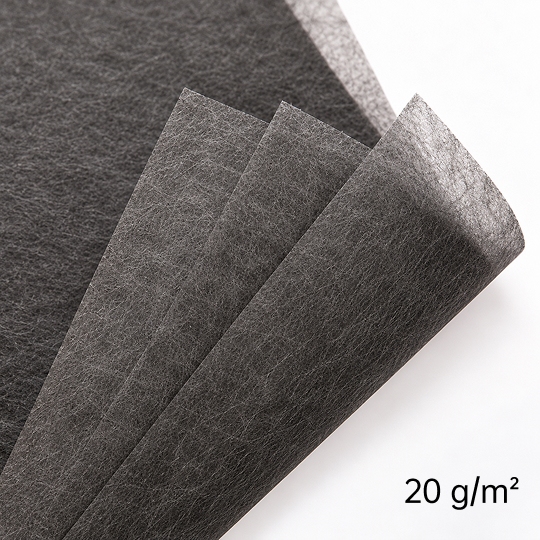
Higher basis weight and tensile specifications; a suitable choice for applications requiring increased surface material usage
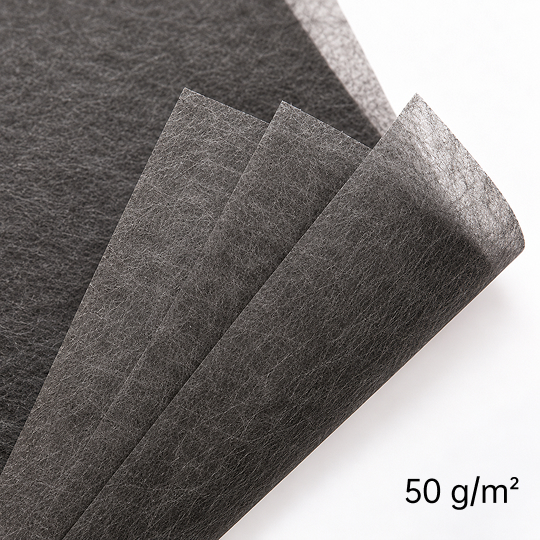
Higher tensile strength; the upper limit of electrical resistance is lower than that of the 10 and 20 g/m² models, while thickness and basis weight are greater
Improve Composite Surface Finish with a Lightweight Carbon Fiber Vei
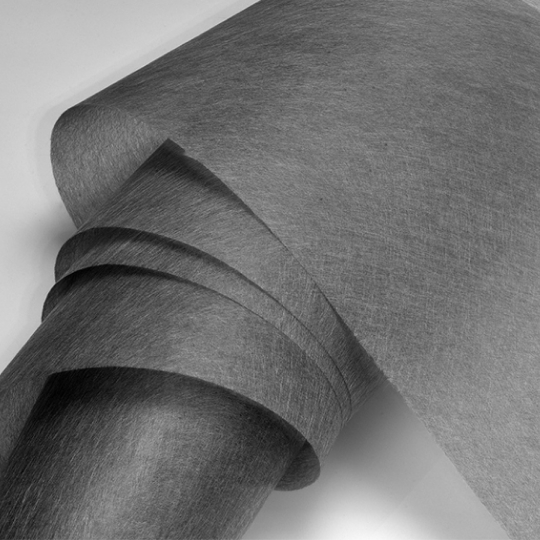
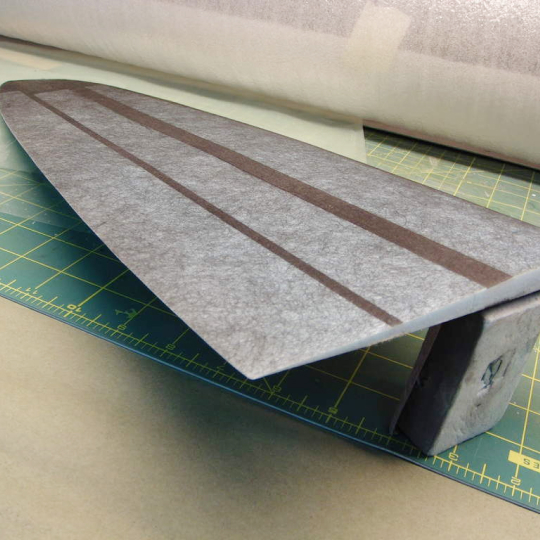
When addressing the surface layers of composite panels and housings, it is essential to consider both the potential for underlying fabric weave telegraphing and the management of additional materials. Our carbon fiber surfacing veils, with areal weights as low as 6 g/m², offer a viable option for lightweight surface applications. By comparing veils of various weights within actual resin and layup configurations, one can select the grade that meets both aesthetic and processing requirements; the final surface quality is determined by the interplay between the material system and the manufacturing process.
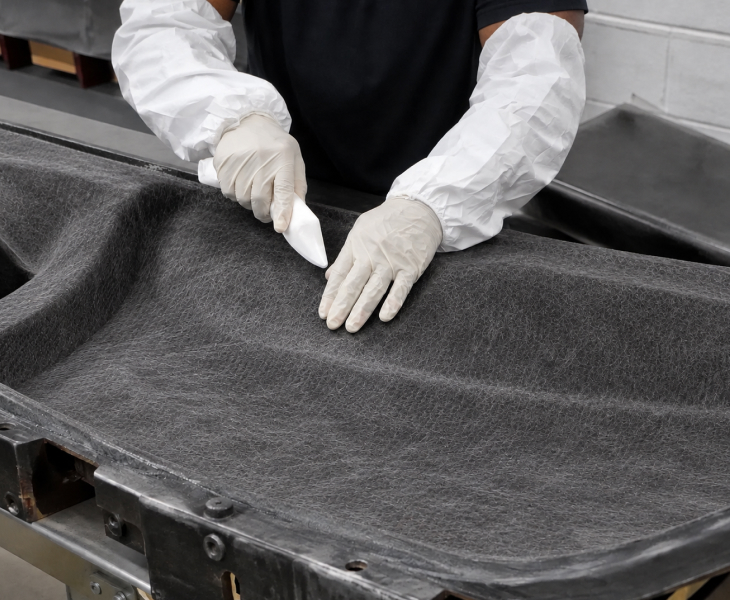
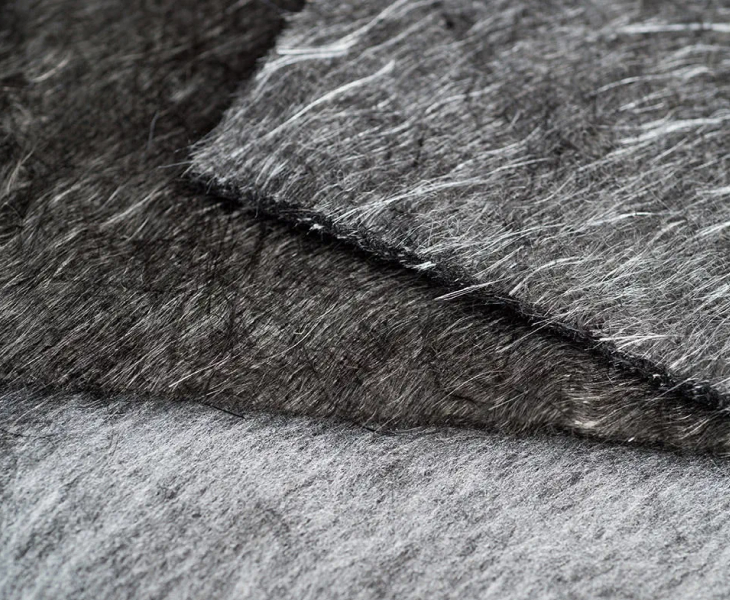
Select the Appropriate Carbon Fiber Veil Based on Resin and Processing Requirements
When selecting carbon fiber veils, it is essential to verify the binder type in addition to the areal weight; the specific binder must be compatible with the resin system and processing conditions. Selection should be guided by the specific resin grade, curing system, and molding method, with an evaluation of wetting characteristics, handling properties, and the surface finish after curing, before finalizing the model for future repeat orders.
Product Specifications Table
- Carbon Fiber Veil
| Original Code | Weight (g/m²) | Resistance (Ω) | Binder Content (%) | Moisture Content (%) | Tensile Strength (N/50mm) | Thickness (mm) |
| CACFSV-006 | 6 | — | 10±2 | ≤0.3 | ≥5 | 0.06±0.01 |
| CACFSV-008 | 8 | — | 10±2 | ≤0.3 | ≥7 | 0.08±0.01 |
| CACFSV-010 | 10 | ≤15 | 10±2 | ≤0.3 | ≥11 | 0.10±0.01 |
| CACFSV-015 | 15 | ≤8 | 10±2 | ≤0.3 | ≥16 | 0.15±0.02 |
| CACFSV-006 | 20 | ≤6 | 10±2 | ≤0.3 | ≥21 | 0.20±0.03 |
| CACFSV-006 | 30 | ≤4 | 10±2 | ≤0.3 | ≥31 | 0.30±0.03 |
| CACFSV-006 | 50 | ≤3 | 10±2 | ≤0.3 | ≥49 | 0.50±0.04 |
When selecting a material, first clarify its intended function: for improving composite surfaces, choose a carbon fiber veil and verify the basis weight, binder type, and resin compatibility; for high-temperature furnace insulation, check the material grade, temperature rating, atmosphere, thickness, and density of the insulation felt. When replacing an existing material, it is recommended to provide the original specifications or product label to avoid selecting the wrong product based solely on the generic name “carbon mat.”
When materials are available, compare the model with the closest specifications first. For new projects, priority should be given to weight gain control, and you can start comparing samples from 6 and 10 g/m²; when you need a higher dry tensile limit, you can compare 10 and 20 g/m², or 20 and 50 g/m². Keep resin, reinforcement and curing conditions consistent, and select a model that meets surface and operating requirements and accepts weight gain. These combinations are the starting point for the sample and do not mean that the higher the weight, the better the effect.
It is recommended to prepare comparison panels using the current process and candidate carbon fiber veils, then evaluate them under identical conditions regarding print-through, pinholes, surface appearance, finished part weight, and the extent of post-processing required. If wetting is insufficient, first check the binder and processing conditions; if print-through remains pronounced, review the overall surface layer and layup design. Based on target appearance and acceptable processing costs, the goal is to eliminate the need for sanding without relying on the use of a surfacing veil.
When sourcing, you should provide details regarding the specific resin grade, curing system, processing method, and temperature, while also confirming the actual binder type. Begin by evaluating wet-out and handling characteristics; then, cure the material under actual processing conditions to inspect the surface quality and verify that the required performance properties are met. A binder content of 10 ± 2% does not in itself guarantee resin compatibility, nor does rapid wet-out necessarily imply overall suitability. Re-evaluation is required if there are any changes to the materials or processes.
First clarify the required functions and acceptance criteria. Some models have resistance data, but the test methods and conditions still need to be confirmed and cannot be directly compared with sheet resistance or resistivity. For conductive or static control projects, the actual cured structure and electrical contact conditions should be tested; for EMI shielding, the target frequency band and corresponding test data need to be checked. Just because the resistance limit is low does not mean that the functional requirements are met.
It is advisable to compare two or three candidate models, ensuring the sample quantity is sufficient for planned testing and any necessary re-testing. Small swatches can be used for visual inspections and preliminary handling checks, whereas full-width or longer samples may be required to evaluate incoming material and processing performance. Upon receipt, record the model, dimensions, and batch information, and retain a reference sample along with the specifications and evaluation results. Details regarding sample costs, dimensions, and shipping fees should be confirmed in advance.
Related Product Recommendations
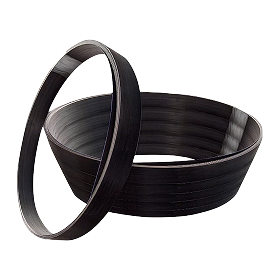
 Carbon Fiber Sheet
The function of carbon fiber plates is to provide high strength and rigidity, while achieving lightweight structural support
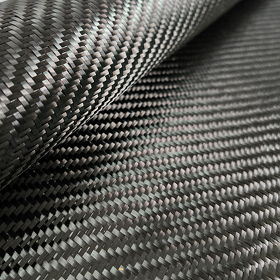 Bidirectional Carbon Fiber Fabric
The 0° and 90° fibers interweave with each other, providing a balanced structural reinforcement effect
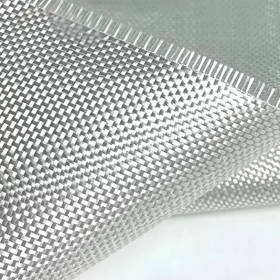 Fiberglass Cloth
Good electrical insulation, dimensional stability, and relatively good heat resistance
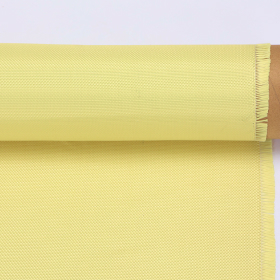 Plain Weave Aramid Fabric
With warp and weft interwoven, it offers excellent stability and slip resistance, making it suitable for flat panels, localized reinforcement, and general composite structures